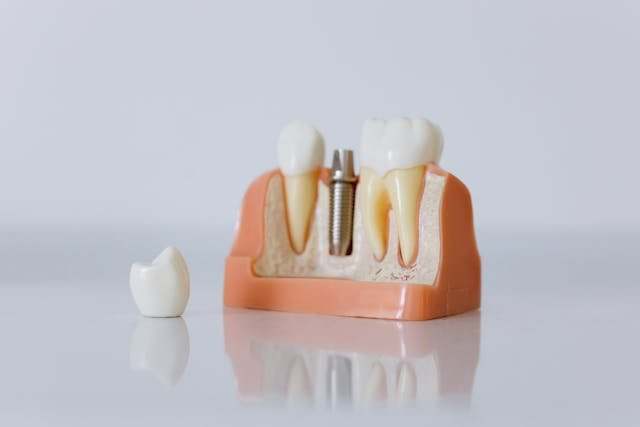
For anyone contemplating dental implants in the UK, it’s crucial to comprehend the various factors that can affect the overall cost of the procedure. Elements such as the type of implant and the qualifications of the dental surgeon can significantly influence expenses. By examining these factors, patients can better manage their finances and make well-informed choices regarding their oral health.
The price of dental implants can vary widely throughout the UK, shaped by numerous aspects. For instance, dental implants in London might be priced differently compared to other regions, largely due to variations in living costs and demand for dental services. This article explores the main factors that contribute to the cost of dental implants, aiding potential patients in understanding what to anticipate and how to allocate their budget accordingly.
Types of Dental Implants
The kind of dental implant selected is a significant factor in determining cost. Options vary from endosteal to subperiosteal implants, each with its own price range. Endosteal implants—inserted directly into the jawbone—are the most common and generally the more affordable option. Conversely, subperiosteal implants, which sit underneath the gum line but above the jawbone, may carry a higher price tag due to their procedural complexity.
Moreover, the material used for the implant, such as titanium or zirconia, also impacts costs. Titanium is frequently chosen for its strength and compatibility with bone, making it a cost-effective option. Zirconia, while offering enhanced aesthetic appeal, is typically priced higher.
Surgeon’s Experience and Qualifications
The cost of dental implants can also be strongly affected by the experience and expertise of the surgeon performing the implant. Surgeons with extensive experience and specialized training in implantology often command higher fees. However, their expertise can provide reassurance and may even mitigate the risks of complications, which could incur additional costs later on.
When assessing costs, patients should consider the qualifications and reputation of the dental professional. Choosing a skilled surgeon can prove to be a valuable investment, leading to a smoother and more effective procedure.
Location and Clinic Services
The location of the dental clinic is a critical factor in the total cost of dental implants. Clinics situated in urban centers or areas with high living costs, like London, may charge higher fees than those in more rural locales. Additionally, the availability of advanced facilities and technology at a clinic can impact pricing; state-of-the-art equipment may result in higher costs but can improve patient care and outcomes.
Patients should balance the advantages of choosing a conveniently located clinic with superior facilities against the potential savings of traveling to a more affordable option.
Additional Treatments and Aftercare
Any necessary supplementary procedures prior to or following the implant procedure can escalate the total cost. For example, procedures like bone grafting or sinus lifts may be required for patients lacking sufficient bone density, thus raising overall expenses. Ongoing care and follow-up visits after surgery should also be factored into the budget for dental implants.
Being aware of these potential additional costs aids patients in better financial planning and can help prevent unexpected expenses. Discussing the full scope of the procedure and any required aftercare with the dental surgeon will provide a clearer understanding of the total investment involved.