Maintaining good blood circulation is crucial for overall health. As we age, our vascular system faces increased challenges, such as the need to move blood upward against gravity—from the legs back to the heart. While many focus on heart health, vein health often gets overlooked until symptoms arise. However, promoting good circulation involves not only scientific understanding but also a nuanced approach to daily living, making vein care both a science and an art.
If you ever find yourself questioning whether what you’re experiencing is a normal part of aging or something that warrants further examination, consulting with a vein specialist like Vascular Care Group can provide clarity and peace of mind.
Let’s explore how circulation impacts your body and introduce simple habits you can integrate into your daily routine to protect your veins.
Understanding Circulation Changes with Age
As individuals grow older, blood vessels tend to lose elasticity, and vein valves become less effective. These valves are essential for preventing blood from flowing backward, particularly in the legs. Over time, weakened valves can lead to blood pooling and increased pressure in the veins, contributing to various varicose vein symptoms, including swelling, aching, and visible varicose veins.
Lifestyle choices can either slow down or accelerate this process. Factors such as prolonged sitting, lack of exercise, being overweight, and chronic stress all negatively impact the circulatory system. The good news is that by adopting a few key daily habits, you can enhance circulation and maintain healthy blood flow well into your later years.
Movement: A Natural Remedy for Vein Health
Regular movement is one of the best defenses against poor circulation. Muscle contractions, especially in the calves, act as a secondary pump to assist in moving blood upward through the veins. When movement is insufficient, blood can accumulate in the lower extremities.
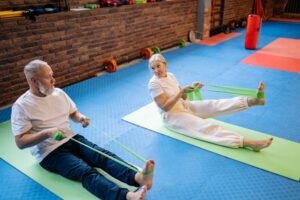
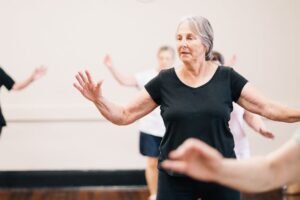
Low-impact activities like walking, swimming, yoga, and cycling can bolster blood flow without stressing the joints. Simple changes, such as taking short breaks to stand and stretch every hour, can have a significant impact, particularly for those with desk jobs or long commutes.
The Role of Posture and Body Awareness
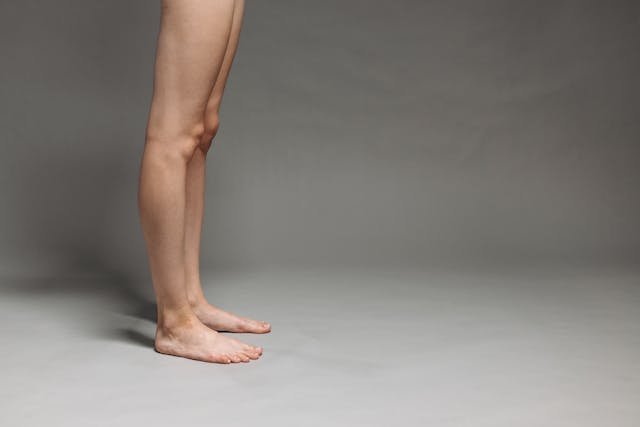
Posture plays a subtle yet important role in circulation. Poor posture or prolonged sitting in a cross-legged position can compress blood vessels, impeding blood flow. Maintaining an upright posture with both feet grounded ensures more balanced circulation throughout the body.
Awareness of body position during rest is equally essential. Elevating your legs for a short duration, particularly using your leg muscles to lift them, allows gravity to assist in returning blood to the heart, reducing pressure in the veins and alleviating swelling, especially after long periods on your feet.
Nutritional Choices for Vascular Health
A diet that promotes good circulation focuses on minimizing inflammation and supporting the structural integrity of blood vessels. Foods rich in antioxidants, fiber, and healthy fats can help strengthen veins and enhance blood flow. Including ample fruits, vegetables, whole grains, nuts, and lean proteins in your diet can help maintain a healthy weight, thereby reducing pressure on the veins.
Staying hydrated is equally vital. Proper hydration ensures blood maintains an ideal consistency, facilitating smoother travel through blood vessels. Conversely, dehydration can result in thicker blood and sluggish circulation, which can worsen leg discomfort.
Managing Weight for Vein Health
Maintaining a healthy weight is key to supporting vein health. Extra weight adds pressure to the venous system, particularly in the legs, which can make it more challenging for blood to ascend. Over time, this can weaken vein valves and exacerbate symptoms.
You don’t need extreme measures to manage your weight. Consistent exercise, a balanced diet, and mindful eating contribute to overall health and circulation. A modest amount of weight loss can significantly alleviate vein-related discomfort for many individuals.
The Impact of Stress and Hormones on Circulation
Chronic stress affects the body in numerous ways, including its circulation. Stress hormones can cause blood vessels to constrict, hindering blood flow and increasing pressure within the vascular system. Over time, this can worsen circulation issues and contribute to inflammation.
Practices such as deep breathing, meditation, and gentle movement can stimulate the body’s relaxation response, reducing stress and promoting healthier blood flow and elasticity in the vascular system.
The Value of Consistent Sleep
Quality sleep is crucial for vascular repair and hormone regulation. The right kind of sleep allows your body to implement maintenance processes that support blood vessel health and reduce inflammation.
Establishing a consistent sleep routine, minimizing screen time before bed, and maintaining a natural leg position while sleeping can enhance circulation and alleviate leg discomfort.
The Need for Preventive Care
Many vein-related issues develop gradually, which is why early intervention is essential. Paying attention to subtle signs like leg heaviness, swelling, or changes in vein patterns can help address potential concerns before they escalate into more significant problems.
If lifestyle adjustments don’t provide sufficient relief, seeking a professional evaluation can yield valuable insights and necessary treatment. For those seeking high-quality care, Varicose Vein Treatment in Sugar Land offers convenient access to expert evaluations and modern treatment options tailored to individual needs.
Blending Lifestyle Changes with Modern Care
The key to healthy circulation lies in a combination of daily habits and, when necessary, medical support. Lifestyle modifications are foundational for good vein health, while medical interventions provide targeted solutions for existing concerns. Together, they create a comprehensive approach to achieving long-term comfort and mobility.
Current treatments are minimally invasive and are intended to complement rather than replace healthy living. When combined with regular physical activity, a nutritious diet, and effective stress-management practices, these treatments can significantly enhance outcomes and overall quality of life.
Embracing Aging with Strong Circulation
Aging doesn’t have to be synonymous with pain and stiffness. With the right habits and informed choices, it’s entirely possible to maintain circulation and vein health well into older age. Small, consistent steps often yield the most significant results.
Good circulation is not just about physical comfort; it also fosters confidence and independence. When your body moves freely without pain, daily life becomes richer and more enjoyable.
In Conclusion
Your veins reflect the rhythm of your daily life. How you move, sit, and eat, as well as how you manage stress and prioritize rest, all influence how effectively blood circulates throughout your body over time. Acknowledging the importance of good circulation allows individuals to implement lifestyle changes that can protect and enhance vein health, ultimately improving long-term wellness.
The key to optimal circulation is not perfection, but rather finding the right balance between healthy blood flow and a manageable weight. By cultivating mindful habits and prioritizing self-care, vein health can seamlessly integrate into a holistic approach to healthy aging.