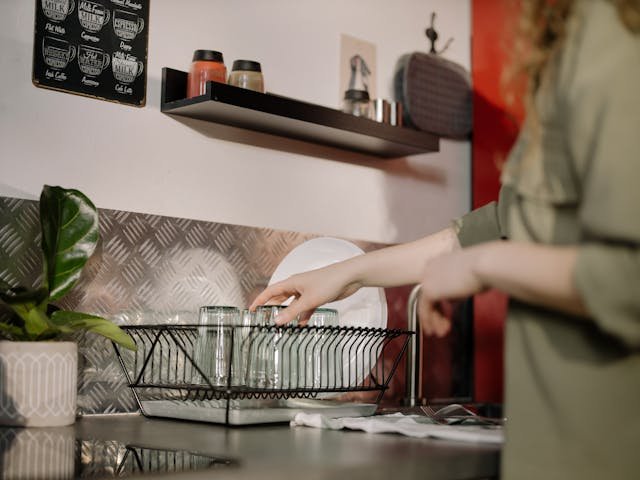
While wellness is often linked to proper nutrition, exercise, and rest, the impact of our home environment is equally significant. A chaotic space can contribute to stress, drain our energy, and complicate daily tasks. When clutter accumulates, even minor chores can become overwhelming. By organizing our surroundings more effectively, we can create a tranquil environment that benefits both our minds and bodies. An organized home allows us to relax and focus more easily.
The Impact of Clutter on Wellness
Clutter can negatively impact wellness in subtle yet significant ways. Disordered surroundings force our brains to exert more effort to make sense of the environment. This ongoing mental strain can heighten stress levels, diminish our ability to concentrate, and hinder relaxation. Over time, a cluttered environment can lead to feelings of mental fatigue and emotional overload, even if the mess appears manageable at first glance.
Physical disarray often results in emotional strain. The frustration of searching for misplaced items, navigating through cramped spaces, or feeling self-conscious about our living conditions adds unnecessary pressure to our daily lives. Clutter can disrupt healthy habits; when our surroundings feel chaotic, activities such as cooking, relaxing, and exercising at home become more challenging, negatively affecting both physical comfort and mental well-being.
Recognizing how clutter influences our wellness can transform organization from a mere aesthetic task into a nurturing practice. Clearing space doesn’t mean eliminating everything, but rather creating an environment that allows for easier movement and breathing. When belongings are stored with intention, our homes evolve into sanctuaries for recovery rather than sources of stress. This insight encourages us to make organizational choices that enhance our energy and promote well-being rather than sap it.
Frequently Asked Questions
- How does clutter affect mental health? – It elevates stress levels and makes relaxation more challenging.
- Can clutter impact physical wellness? – Yes, it can disrupt healthy routines and restful states.
- Is clutter always visible? – No, hidden clutter can still cause mental strain.
- Does organizing improve mood? – Yes, clearer spaces often foster a sense of emotional calm.
Designing Calm Daily Environments
Creating calm environments means tailoring spaces that encourage rest, concentration, and gentle movements. Calmness doesn’t stem from empty rooms; it arises from mindful arrangement and clear intent. When each space is supportive of its function, the home nurtures us throughout the day.
A Day in Action:
The day starts in a bedroom with mostly cleared surfaces, making dressing straightforward due to logical storage solutions. In the kitchen, a calm morning routine is supported by easy access to tools and ingredients. During the afternoon, a living area fosters focused work without distractions; items not in use are neatly tucked away, keeping the space visually serene. In the evening, this same area transitions into a restful environment with minimal cleanup required. The home effortlessly supports each part of daily life, eliminating additional tasks or stress.
Calm environments lessen the effort needed to reset between activities. When rooms are designed with flow in mind, transitions feel seamless. Over time, these spaces encourage a slower pace, improved focus, and better rest. Calmness becomes ingrained in daily life rather than a recurring effort.
Organizing for Mental Clarity
A clear strategy for enhancing wellness at home involves organizing with mental clarity as the priority. Rather than focusing solely on aesthetics, effective organization should minimize decision fatigue and visual clutter. When we don’t have to continuously scan or remember where items belong, stress levels naturally decrease. Mental clarity is achieved through systems that are straightforward to comprehend and maintain.
Eliminate Excess from Daily View
Not everything needs to be on display or easily accessible daily. Occasionally used items can distract from focus when left in sight. By storing excess belongings away from living spaces, the home feels lighter and more restful. Utilizing options like Edinger Ave storage at NSA Storage can ensure that valuable items are kept safe while reducing distractions at home. This separation aids in maintaining calm thinking without requiring tough decisions about what to keep.
Build Trust in Your Organizational Systems
Mental clarity improves significantly when you have faith in your organization methods. Knowing exactly where items are and how to access them alleviates background anxiety. Simple, consistent systems are much more effective than overly intricate solutions.
Establishing Healthy Home Routines
Healthy routines thrive more readily in well-organized environments. When our surroundings facilitate daily habits, wellness becomes an integral part of our lifestyle instead of an additional chore.
Align Spaces with Daily Habits
Rooms should reflect their intended use. When storage solutions align with our routines, it becomes easier to sustain beneficial habits.
What Works in Practice:
Homes that reset key areas each evening tend to experience calmer mornings. Small daily resets help prevent clutter accumulation.
Prioritize Consistency, Not Perfection
Wellness routines don’t require flawless organization; rather, they thrive on a reliable structure. When thoughtful organization fosters consistency, the home becomes a stable foundation for both physical and mental well-being.
Maintaining Balance Over Time
Home wellness isn’t a one-time effort; it requires ongoing adjustments as routines and life circumstances evolve. Sustaining balance over time involves regularly evaluating how spaces are functioning and making minor updates before clutter or stress accumulate. This proactive approach ensures the home remains aligned with current needs rather than outdated habits.
Regularly Revisit Your Systems
Organization should adapt as daily life changes. The storage solutions that worked previously may not fit new routines or priorities. Conducting a brief review every few months can help identify areas that feel overwhelming or unnecessary. Early adjustments can prevent feeling overwhelmed and maintain calm, intentional spaces.
Preserve Simplicity Amid Life Changes
As new items enter your home, balance relies on letting go of or storing other items out of sight. Neglecting this step can cause even the best systems to become strained. Maintaining simplicity is essential for preserving clarity and comfort.
Common Questions Addressed:
Many ask how often to review their organization: typically, every three to six months is sufficient. Others inquire if frequent changes can be counterproductive; regular small adjustments can stabilize your environment, preventing larger disruptions later. Lastly, some wonder if balance equates to minimalism. Balance is subjective—you’re seeking ease, not rigidity. One challenge in making progress is finding time, but maintaining balance often saves time by reducing everyday friction. These insights highlight that long-term wellness relies on small adjustments rather than drastic overhauls that may induce unnecessary stress.
Integrating Wellness into Daily Life
Wellness arises from small, repeatable actions that nurture both body and mind. When our home environment is organized purposefully, it becomes easier to rest, focus, and navigate the day without tension. The benefits of organization profoundly influence mood, energy, and habits, often more than we realize.
Take a moment to evaluate how your space affects your daily routines. Simple changes can restore tranquility and clarity. Enhancing wellness at home through smarter organization isn’t about achieving control or perfection; it’s about creating an environment that supports you. When your home fosters well-being, wellness seamlessly becomes a part of your everyday life, rather than an elusive goal.