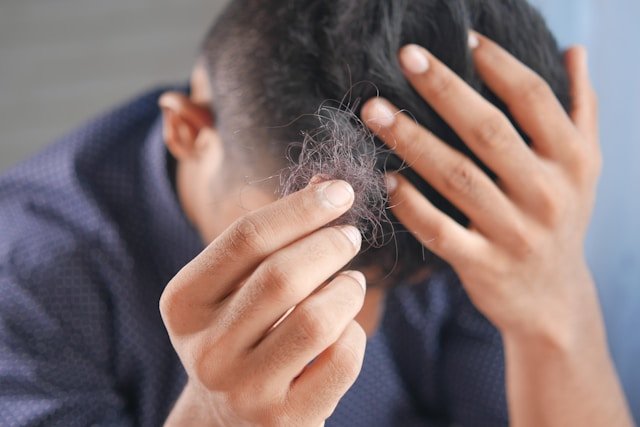
Male androgenetic alopecia (MAA), commonly referred to as male pattern baldness, is the leading cause of hair loss in men. While the progression of hair loss can vary greatly from person to person, it can significantly affect self-esteem and mental well-being. This may be why you are exploring treatment options.
There are three primary treatment methods for those experiencing male pattern baldness, and your choice will depend on the outcome you desire. Fortunately, this article highlights all three available treatments.
Aesthetic Solutions
Though not the most enduring option, aesthetic solutions for concealing baldness have been a popular choice over the years. Various alternatives, including hairpieces, stylish cuts, and wigs, can help address thinning hair, bald patches, or receding hairlines. While these are temporary fixes, their popularity stems from the ease and speed of achieving results.
Hairpieces and similar products are often affordable and readily available, making them a go-to solution for those seeking immediate relief. Some individuals may also opt to dye their hair, which can create the illusion of thicker hair. These aesthetic options can be used alongside hair transplants or medications, which will be discussed later in this article, especially beneficial for those in the early stages of treatment.
Hair Transplants
If you are in search of a more lasting solution, a hair transplant could be your preferred treatment. This procedure involves relocating hair follicles from the back of the scalp to thinning or balding areas. The transplanted hair is expected to grow naturally without falling out. After the procedure, you can wash, style, and maintain your hair as desired.
There are three primary hair transplantation techniques utilized by experts: follicular unit excision (FUE), follicular unit micrografting, and follicular unit transplantation (FUT), as stated by the Physician’s Hair Restoration Center (PHRC).
Regardless of the technique recommended to you, it’s crucial to consult a qualified specialist before moving forward with the procedure. Dr. Carlos Puig, founder of PHRC, is a renowned expert with over 20,000 hair transplants performed in his 45+ years of experience. This is the caliber of professional you should seek when considering a hair transplant.
Medications
The final treatment option for male pattern baldness involves medication. Various types of medications can be used for this condition, notably finasteride and minoxidil. Finasteride is a prescription tablet, while minoxidil is available in various topical forms, such as foams and lotions. These medications aim primarily to slow or halt hair loss.
As with any medication, it is advisable to consult a healthcare professional, such as a dermatologist, before commencing treatment. This is crucial to understand any potential side effects associated with the medications. For instance, while generally well-tolerated, finasteride may lead to decreased libido in some individuals.
In summary, if you are experiencing male pattern baldness, seeking professional guidance is essential. While starting with aesthetic options like wigs may provide immediate relief, pursuing medications or a hair transplant will require medical expertise.