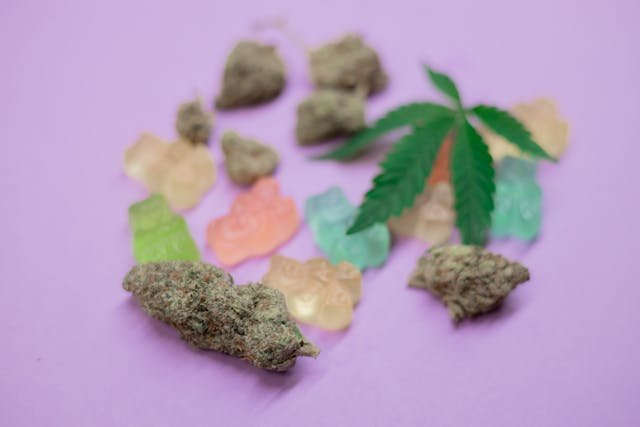
The idea of medical cannabis is increasingly becoming a key part of the health and wellness conversation in the UK. This heightened awareness is largely due to shifting attitudes, updated regulations, and improved education for patients.
Over recent years, medical cannabis has transitioned from a niche topic to a central discussion point in health and wellness dialogues across the UK. This shift can be primarily credited to changes in regulations and the broader conversation around medical cannabis, coupled with an enhanced focus on patient autonomy and healthcare delivery.
Evolving Patient Perspectives and Public Awareness
Medical cannabis is no longer confined to specific communities or patient groups; it now plays a significant role in the broader healthcare conversation, involving caregivers and wellness providers. While this doesn’t necessarily mean there is unanimous support for medical cannabis, it does suggest a growing interest approached in a more professional manner.
Consequently, patients are actively seeking knowledge and posing informed queries about medical cannabis. For instance, there’s a noticeable uptick in individuals looking for the top medical cannabis clinics in the UK, which indicates that many are eager to clarify their understanding of the subject. This shift marks a transition in the dialogue surrounding medical cannabis from one of alternative options to one that aligns closely with established healthcare practices.
As a result, discussions now focus not on exceptions but on holding medical cannabis accountable within the overall healthcare framework.
The Impact of Regulation on Legitimacy
Regulation has played a crucial role in gaining recognition for medical cannabis within the UK health and wellness sector. The establishment of prescribing, licensing, and clinical guidelines has helped differentiate medical cannabis from unregulated substances.
By incorporating medical cannabis into existing healthcare protocols, there is greater accountability, consistency, and an enhanced ability to gather data, all of which contribute to a more robust evidence base. This assures patients that the use of medical cannabis should always occur under professional guidance.
Wellness Providers’ Responses to Medical Cannabis
In the UK, wellness providers are increasingly acknowledging the rising relevance of medical cannabis. Their responses have varied, with some adding educational resources to their services, while others are ensuring that their clients are not exposed to promotional material. This evolution reflects a deeper understanding of the wellness sector’s responsibilities.
Additionally, providers are engaging in conversations about related issues such as lifestyle support, holistic approaches, and non-prescription products, including the top CBD options. While these alternatives differ from cannabis, they contribute to broader wellness discussions, including plant-based wellness.
The wellness industry is working to clearly differentiate various products while encouraging the public to consult healthcare professionals before making decisions.
The Future of UK Healthcare and Growing Recognition
The increasing acknowledgment of medical cannabis by the wellness sector in the UK signals a transformative future for healthcare. We can anticipate a gradual integration of these products into mainstream discussions about medicine.
For patients, this evolution means access to more information, a wider array of options, and a stronger focus on making informed choices. It underlines the importance of consulting healthcare professionals, who can assess individual needs and circumstances. The growing awareness of medical cannabis indicates that the healthcare landscape is evolving in a thoughtful manner, balancing openness to new ideas with a commitment to evidence, regulation, and patient safety.
This approach also fosters realistic expectations within the health and wellness sector. By accurately representing the potential benefits and limitations of medical cannabis, individuals can view it as part of a comprehensive healthcare strategy rather than as a miraculous solution. As understanding of medical cannabis continues to mature, the need to harmonize it with established healthcare principles will persist.
In summary, medical cannabis is increasingly being integrated into the UK’s overall health and wellness framework rather than being viewed as a distinct or alternative entity. This growing recognition signifies a move towards constructive dialogue, stronger regulations, and more engaged patient participation. As comprehension of this topic expands, the emphasis on professional guidance, evidence-based practices, and responsible integration will remain central to how medical cannabis shapes the evolving landscape of UK healthcare.