While many may perceive golf as a low-impact sport, the reality is that golfers are still at risk for injuries. These injuries often stem from improper techniques, overexertion, or using equipment that doesn’t fit well. It’s crucial for every piece of golf equipment— from your cart to your clubs—to be suited to your skill level and support your movements effectively. In this article, we will discuss how you can prevent golf injuries and how selecting the right gear can keep you safe and enhance your performance on the course.
Minimizing Strain with Golf Carts and Bags
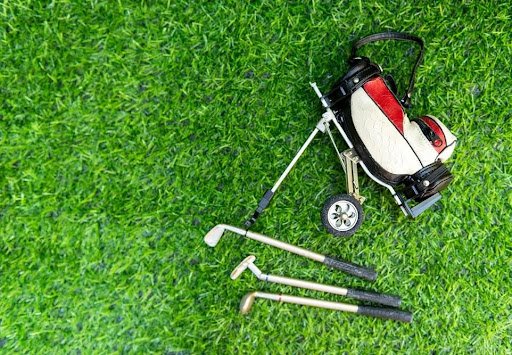
Carrying or dragging a heavy golf bag over 18 holes can put significant strain on your legs and lower back. Utilizing a golf cart helps alleviate this stress, allowing you to save energy—especially during lengthy or hilly rounds. Investing in high-quality golf carts, like those from Golf Carts of ATX, can be transformative for injury prevention, offering you a chance to rest between shots and avoid overuse of your muscles and joints. For individuals with mobility issues or those healing from injuries, golf carts can facilitate activity without the risk of exacerbating their conditions.
In addition, lightweight and ergonomically designed golf bags featuring padded straps are ideal for evenly distributing weight across your shoulders, especially beneficial for those who may experience back pain.
Enhancing Stability and Protection with Golf Gloves
The repetitive action of swinging a golf club can lead to blisters, calluses, and wrist discomfort, particularly if your grip lacks stability. Properly fitted golf gloves are vital; they not only improve grip but also help ward off injuries such as tendonitis and carpal tunnel syndrome. Gloves with additional padding in the palm and fingers can enhance comfort and reduce friction, thereby minimizing bumps and swelling. Look for gloves that fit snugly without being too tight, and preferably made from breathable materials.
Improving Grip and Traction with Golf Shoes
Your feet serve as the foundation for your stance, swing, and overall balance while playing golf. Given that the game involves walking long distances and standing for prolonged periods, selecting the right golf shoes can significantly reduce the risk of injuries to your feet, ankles, knees, and lower back. Golf trainers that provide sufficient arch support can help evenly distribute weight and absorb impact, thereby alleviating pressure on your feet and preventing issues like metatarsal pain. Furthermore, it’s critical to choose shoes designed for optimum traction, such as those with spikes or specialized soles, to prevent slipping on wet courses. For golfers with specific foot concerns like flat feet or high arches, incorporating custom orthotics can add necessary support and comfort.
Ensuring Proper Posture with Golf Clubs
A key component in avoiding injury on the golf course is using clubs tailored to your height, strength, and swing speed. Improperly fitted clubs can force you into awkward positions that strain your muscles and joints. Clubs that are too long may cause you to crouch, while those too short may lead to overextension. While heavier clubs might seem powerful, they can place excessive strain on your wrists, elbows, and shoulders over time. Consider choosing lighter clubs that offer better control without requiring overexertion.
The thickness of your clubs’ grips is also significant for preventing wrist and elbow injuries. Grips that are too small may lead to over-gripping and the development of golfer’s elbow, while grips that are too large can restrict wrist movement. Opt for grips that feel comfortable in your hand and support a natural swing, aligned with your playing style.
Play Strong and Stay Safe
Golf is a fun and fulfilling activity, yet like any physical pursuit, it carries some risk of injury. The gear choices you make—be it a golf cart, gloves, shoes, or clubs—can greatly influence your health and safety on the course. By investing in high-quality and properly fitted equipment, you can enhance your performance while minimizing the risk of injury.