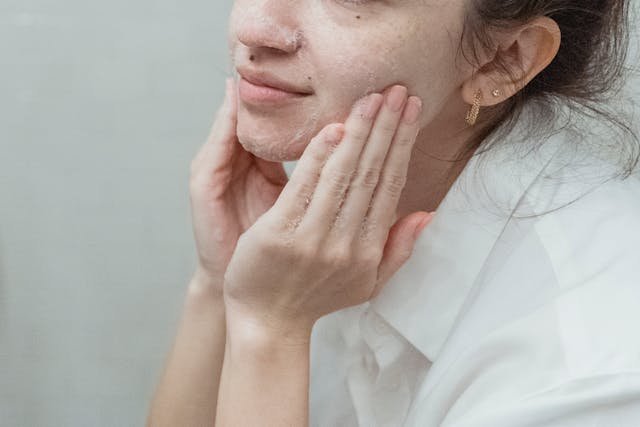
Microneedling is increasingly popular for achieving smoother, healthier-looking skin, yielding noticeable benefits with little downtime. However, if your skin is sensitive or prone to irritation from new products, it’s crucial to approach this treatment with caution.
Having sensitive skin doesn’t rule out the possibility of microneedling; it simply necessitates more careful preparation. Getting everything right from the outset can enhance your comfort during the procedure and improve your overall results.
Continue reading to discover how to properly prepare for microneedling if you have sensitive skin, ensuring the best possible results.
Communicate Effectively with Your Provider
Sensitive skin may react unpredictably to microneedling, so it’s vital to communicate openly with your provider beforehand. Providing detailed information allows them to tailor the treatment to your skin’s unique needs.
For a safer and more effective experience, make sure to discuss the following key points during your consultation:
- Disclose your complete skin history: Inform your provider about any previous treatments, known allergies, or past skin reactions, regardless of how minor they may seem. This information helps identify potential triggers and mitigate unexpected skin irritation.
- Discuss any current conditions: If you are facing issues like acne scars, rosacea, or heightened skin sensitivity, be upfront about them. These factors can influence the depth and intensity of the microneedling procedure.
- Inquire about their approach to sensitive skin: Some estheticians modify their techniques or settings for delicate skin. Asking these questions can help you feel more comfortable with their methodology.
For an optimal experience, seek microneedling treatment in Venice, FL from a certified esthetician in a modern clinical setting. Choose a provider who recognizes the nuances of sensitive skin and customizes treatments accordingly.
Avoid Harsh Skincare Products Pre-Treatment
In the days prior to your microneedling appointment, prioritize keeping your sensitive skin calm and balanced. Avoiding harsh products is crucial, as they can compromise your skin barrier and lead to irritation during or after the procedure.
Here are the products and ingredients to steer clear of before your microneedling session:
- Discontinue retinoids and chemical exfoliants: Ingredients such as retinol, glycolic acid, and salicylic acid can thin the skin’s outer layer, increasing its reactivity. Cease use at least 3–5 days before your appointment to maintain your skin’s health.
- Avoid foaming and astringent cleansers: These often contain harsh chemicals that strip moisture from the skin. Opt for a gentle, non-foaming cleanser that won’t disrupt your skin’s natural balance.
- Skip makeup removers containing alcohol: High-alcohol products can dry and sensitize the skin. Choose an oil-based or micellar cleanser to remove makeup without causing irritation.
By allowing your skin a reprieve from harsh products, you can minimize the risk of irritation and ensure it’s in prime condition for microneedling.
Maintain Consistent Hydration
Hydration is vital for skin health, particularly when getting ready for microneedling. Proper hydration supports your skin’s resilience, lowering the likelihood of irritation and enhancing treatment efficacy.
Consider these hydration tips:
- Choose a barrier-enhancing moisturizer: Look for products containing ingredients like ceramides, glycerin, and hyaluronic acid to strengthen your skin’s barrier. These elements retain moisture and provide a protective layer, making your skin less susceptible to irritation during microneedling.
- Moisturize twice daily: Regular moisturizing helps keep your skin hydrated, smooth, and flexible. Consistent application ensures that your skin is well-prepared to manage minor trauma from the microneedling process, promoting better healing afterward.
- Stay hydrated by drinking water: Internal hydration is as critical as topical moisture. Drinking plenty of water throughout the day helps maintain skin elasticity, reducing the risk of dryness or sensitivity during treatment.
Maintaining healthy skin through effective hydration creates an environment conducive to both the microneedling procedure and post-treatment recovery.

Limit Sun Exposure and Avoid Tanning
Sensitive skin is often more susceptible to UV damage, making it essential to protect your skin leading up to a microneedling treatment. Sun exposure or tanning can heighten irritation risk, hyperpigmentation, and delay healing.
Follow these critical steps:
- Avoid direct sunlight: Keep out of the sun for at least 3-5 days before your procedure. UV rays can cause damage that increases irritation during and after microneedling.
- Refrain from using tanning beds or self-tanners: These methods can leave your skin more prone to damage and lead to uneven pigmentation, heightening sensitivity.
- Apply sunscreen every day: Use a mineral sunscreen with an SPF of 30 or higher, even indoors. Protecting your skin from UV rays minimizes inflammation and enhances your recovery after treatment.
Taking steps to shield your skin from the sun prior to microneedling helps protect its integrity, leading to more effective healing and optimal results.
Conclusion
Microneedling is a viable option for those with sensitive skin — just be sure to prepare accordingly. Avoid harsh ingredients, stay hydrated, protect your skin from the sun, and work closely with your provider to ensure a more successful experience. By following these guidelines, you’ll be better equipped to achieve smoother, healthier skin with minimal irritation.