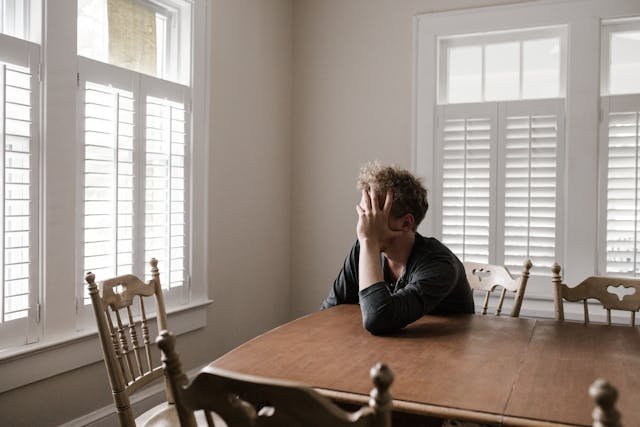
Loneliness often impacts men in subtle, gradual ways. A friendship might fade, work demands increase, or tension at home might rise—small changes that accumulate over time. As this happens, the disparity between a man’s internal feelings and his external demeanor grows. He continues to function, but beneath the surface, isolation sets in.
For many men, anger becomes a common outlet for this accumulated pressure. While it’s easy to label anger as a behavioral issue, it often masks deeper emotional overload. Beneath the irritation or quick temper lies a mix of exhaustion, disconnection, or an overwhelming sense of carrying burdens alone.
Cultural norms perpetuate this pattern. Men frequently internalize the need to remain strong, to avoid burdening others, and to keep their emotional struggles private. With limited safe spaces to express their feelings, tension builds. Mindfulness presents a practical approach to recognize these internal states before they escalate.
Understanding Loneliness
Loneliness doesn’t always manifest as physical solitude. Many men experience loneliness even while in relationships, parenting, or working alongside others. It typically presents itself in three primary forms.
Social Isolation
As life gets busier, friendships can fade. What once were regular catch-ups may reduce to brief messages or quick updates. Men might find themselves surrounded by others yet lacking someone to confide in.
Emotional Isolation
A man may share daily schedules and responsibilities but never discuss his feelings. The fear of appearing weak causes many emotions to remain unexpressed. Even in intimate relationships, men can feel invisible.
Strain in Relationships
When communication falters, emotional distance can grow. Withdrawal may become a coping mechanism, yet this only deepens feelings of loneliness. Over time, this sets up a cycle that is challenging to break.
When Loneliness Evolves Into Anger
Anger often conceals softer emotions, such as sadness, shame, or overwhelm, as well as the belief that one’s efforts go unnoticed.
A man in his forties might lash out over minor irritations, masking the unresolved pain from a past breakup he hasn’t shared due to fear of judgment.
A young father might become reactive during conflicts, feeling overwhelmed and invisible. Since he hasn’t communicated this openly, his stress manifests as irritation.
Mindfulness can assist men in identifying these emotions before they escalate.
The Effectiveness of Mindfulness
Mindfulness is not about emptying the mind; it focuses on awareness. It creates a pause between feeling and reaction, granting the space to respond thoughtfully.
- Recognizing early signs – Anger usually surfaces physically first; symptoms like tense shoulders, shallow breathing, and a clenched jaw often appear before words are spoken. Mindfulness aids in catching these cues early.
- Decelerating reactions – A brief pause can stave off unnecessary conflict. Posing the question, “What am I truly feeling right now?” often mitigates intensity.
- Aligning with core values – Most men cherish qualities like fairness, steadiness, and reliability. Mindfulness helps ensure behaviors align with these values instead of reacting out of stress.
For structured mindfulness training, visit Mindfulness Space.
A Simple Mindfulness Practice: The 3-Breath Reset
- Identify where tension resides in your body.
- Take three slow, deep breaths, extending the exhalation.
- Decide on a response that reflects the person you aspire to be.
Incorporating this practice daily fosters resilience before stressful situations arise.
Mindfulness in Practice
In Personal Relationships
A man feels frustration mounting during a discussion about household duties. Instead of reacting impulsively, he notices the tightness in his breath. By pausing to breathe deeply, he realizes his feelings stem from being overwhelmed rather than angry, allowing the conversation to shift positively.
In the Workplace
While facing criticism in a meeting, a man feels defensiveness rising as tension builds in his chest and his thoughts start to spiral. After taking a few slow breaths, he manages to stay present enough to absorb the feedback, which keeps him grounded instead of shutting down.
The Prevalence of Loneliness Among Men
Factors such as upbringing, societal expectations, and workplace culture contribute significantly to male loneliness.
Messages emphasizing toughness and self-reliance prompt men to suppress their emotions. Friendships often focus more on activities than on meaningful conversations, which tend to diminish as life grows busier. Work environments often reward emotional toughness, making it difficult for men to admit they’re feeling stressed. In relationships, men may choose to withdraw rather than face conflict.
These tendencies are learned behaviors, not inherent traits.
Strategies for Reconnection
Rebuilding small connections can start with sending a message to a friend or joining a group or hobby. Consistent, minor interactions often strengthen social ties more effectively than grand gestures.
- Creating healthy emotional spaces – Engaging with therapy, men’s groups, or confiding in a trusted friend can provide safe outlets for emotional expression.
- Challenging old beliefs – Mindset patterns such as “I should handle this alone” or “I shouldn’t feel this way” can hamper emotional health. Mindfulness offers a way to question and challenge these thoughts.
- Exploring the roots of anger – Posing the question “What is this anger protecting?” helps foster deeper self-understanding and promotes calmer responses.
When to Seek Professional Support
While mindfulness practices can be beneficial, some situations may necessitate additional support. Consider seeking counseling if:
- Anger is impacting your relationships or work.
- You feel consistently disconnected or hopeless.
- You find yourself using substances as a coping mechanism.
- You have attempted various strategies but haven’t seen improvement.
- You feel uncertain about how to begin making positive changes.
To find counseling or coaching services, visit Paul Jozsef Counselling & Coaching.
Looking Ahead
Men grappling with loneliness or anger often bear too many burdens alone. Mindfulness allows for a thoughtful response rather than impulsive reactions. With consistent practice, connections can strengthen, anger can diminish, and emotional stability can improve.
You don’t need an elaborate plan; you just need to take the first step.
About the Author
Paul Jozsef is a therapist and mindfulness educator specializing in men’s emotional health, relationships, and personal growth. Based in Montreal, he combines mindfulness practices with practical tools to facilitate sustainable change through his private practice and Mindfulness Space.