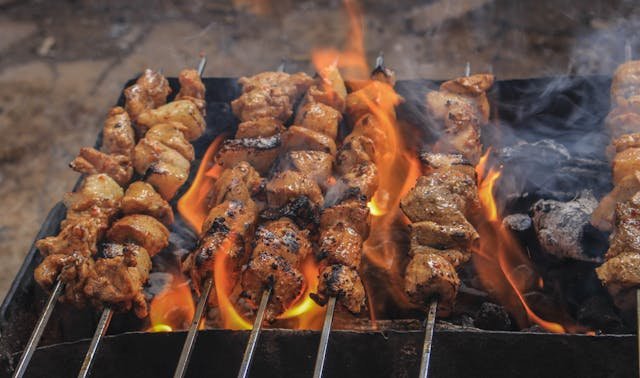
BBQ seasonings blend time-honored practices with contemporary flair, transforming everyday cuts of meat into mouthwatering feasts. In many cultures, especially where BBQ transcends mere sustenance to become a joyous occasion, these seasonings carry significant meaning. For cooking enthusiasts and professionals alike, mastering BBQ seasoning ingredients and techniques is crucial, as it profoundly influences both flavor and dish quality. These seasonings contribute complexity and richness, making them indispensable for crafting savory, sensory experiences in the kitchen.
This article will explore the essential components of BBQ seasonings and how traditional spices alongside innovative flavor enhancers work together to create harmonious profiles. We will delve into the art of custom blends tailored to regional preferences and personal tastes. Additionally, we will cover effective marinating techniques that maximize flavor infusion, as well as cooking methods such as smoking and grilling that elevate the final dish. Lastly, we’ll discuss how to pair the ideal BBQ seasoning with various dishes to enhance every BBQ meal.
The Foundation of Flavor: Key Ingredients
A standout BBQ seasoning begins with a blend of fundamental ingredients that yield a well-rounded flavor. Staples like paprika, black pepper, garlic powder, and onion powder form the backbone, providing comforting and familiar tastes. Salt and sugar play pivotal roles in amplifying flavor and harmonizing savory with sweet elements.
Flavor enhancers such as smoked salts, liquid smoke, cumin, and coriander introduce depth and complexity. Each ingredient contributes a unique aspect—whether it’s heat, earthiness, subtle sweetness, or a hint of tang. This thoughtful combination produces a rich, multi-dimensional seasoning that enhances the overall BBQ experience. Recognizing what each component brings allows for a greater appreciation of the craft in creating seasonings that delight the taste buds.
Tailoring to Your Palate: Custom Blends and Varieties
Creating personalized BBQ blends offers a unique culinary adventure. Whether you want to accommodate particular tastes, dietary restrictions, or regional specialties, developing custom mixtures can elevate any dish. For those who enjoy specific flavors, blending traditional spices like paprika and mustard with unique elements like smoked salts or chipotle can produce extraordinary flavor variations.
Dietary considerations, including lower sodium options or gluten-free ingredients, can be addressed with careful spice selection. Additionally, regional characteristics, such as the bold, smoky profiles of Texas BBQ or the tangy, mustard-forward tastes of South Carolina, can be embodied in custom blends that celebrate local traditions.
Marination Mastery: Enhancing Flavor Infusion
For marinating meats and vegetables, the goal is to boost flavor and tenderness through effective infusion of BBQ seasonings. Understanding the key components of a marinade—acids like vinegar or citrus juices for tenderizing and oils for even seasoning distribution—is essential. Incorporating aromatic herbs, potent spices, and a touch of sweetness or salt creates a harmonious flavor profile that penetrates thoroughly into the food.
Allow marination for several hours, or ideally overnight, to let the flavors meld fully. Utilizing a zip-lock bag or a covered container ensures even coating with the marinade. This approach can transform your grilled items, turning them into memorable culinary highlights. Both novice and seasoned cooks can employ these methods to enhance the flavor and enjoyment of their meals.
Cooking Techniques: Boosting Seasoning Impact
Different cooking methods, such as smoking, grilling, and slow-cooking, significantly influence how BBQ seasonings interact with food, enhancing overall flavor. For example, smoking imparts rich, smoky undertones that elevate the spices, while grilling creates a flavorful crust that locks in seasonings through high heat and direct flames.
Slow-cooking allows flavors to infuse gradually and thoroughly, ensuring that every bite is deliciously seasoned. Each method influences both taste and texture, adding layers of complexity to the final dish. Understanding how these cooking techniques affect seasoning efficacy enables better decisions for maximizing the flavor of your BBQ creations.
Perfect Pairings: Aligning Seasonings with Dishes
Grasping how to pair BBQ seasonings with various dishes can elevate your culinary skills. Each meat, seafood, and vegetable has unique flavors and textures, making the right seasoning choice crucial. For instance, bold and smoky seasonings complement beef brisket by enhancing its robust flavors, while lighter, citrus-infused seasonings beautifully accentuate delicate seafood like shrimp or salmon.
Don’t overlook vegetables; they too can flourish with the right spices—consider bell peppers dusted with paprika and garlic powder, grilled to perfection. Understanding these nuances fosters a versatile approach, ensuring each element of your BBQ meal harmonizes, creating a satisfying and cohesive dining experience.
By mastering BBQ seasonings, you can elevate your grilling endeavors into extraordinary culinary experiences. With a solid grasp of the essential ingredients, you can craft balanced and flavorful rubs and marinades that enhance simple cuts of meat and vegetables. Personalizing your blends to reflect individual tastes or regional influences adds a special touch, while effective marination techniques ensure deep flavor infusion. Utilizing diverse cooking methods like smoking and grilling further amplifies the effectiveness of your seasonings, resulting in complex and irresistible dishes. Thoughtfully pairing these seasonings with various foods guarantees a harmonious BBQ spread, transforming every meal into a celebration of flavor and tradition.