Approximately 6.5 million Americans aged 40 and older are affected by peripheral artery disease (PAD), a condition that silently narrows the arteries in the legs, often resulting in reduced mobility, independence, and quality of life. Fortunately, engaging in regular exercise aimed at preventing PAD can significantly slow its progression, enhance circulation, and in some cases, reverse early symptoms. Movement, supported by evidence-based treatments, is not just therapeutic; it’s essential for maintaining an active, vibrant, and pain-free life.
For those managing or looking to prevent PAD, a combination of circulation-enhancing exercises, dietary modifications, and strategic lifestyle choices provides a clear and effective path to improved vascular health. You can rest easy knowing that you’re taking important steps toward treating peripheral artery disease.
The Importance of Movement in Managing Peripheral Artery Disease
PAD is more than just poor circulation; it is a progressive condition that limits blood flow to the legs, causing symptoms such as leg pain when walking (known as claudication), numbness, and non-healing wounds. While medications and advanced medical interventions are crucial, research consistently indicates that moderate and regular exercise is the most effective non-invasive first-line approach. Thus, integrating a dedicated walking program into your daily routine can yield transformative results.
Consequences of Inactivity
A lack of movement can create a detrimental cycle: decreased activity leads to increased pain, which discourages walking. Without stimulation of the skeletal muscles, leg arteries can become even stiffer, potentially resulting in long-term disability and the need for more intensive medical treatments from a multispecialty hospital.
Effective Exercises for Preventing Peripheral Artery Disease and Enhancing Circulation
A structured exercise program aids the muscles in utilizing oxygen more effectively and promotes the formation of collateral blood vessels. The following circulation-enhancing exercises are safe, proven, and adaptable:
1. Supervised Walking Therapy
This is the foundation of PAD prevention. Patients walk at a pace that causes mild to moderate discomfort, followed by rest. This cycle continues for 30 to 50 minutes, 3 to 4 times a week. Research has shown that merely six months of this therapy can result in over a 50% increase in walking distance.
2. Resistance Training
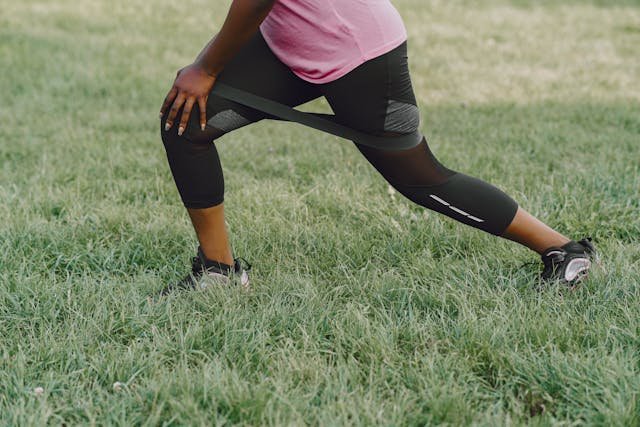
Focusing on the large muscle groups in the legs, using light weights or resistance bands, enhances endurance and reduces fatigue. Pairing these exercises with walking can maximize benefits.
3. Dynamic Stretching and Yoga
These activities improve mobility, promote healthy blood circulation, and alleviate tension that may restrict movement. Chair yoga is particularly beneficial for those who have balance issues.
4. Cycling and Low-Impact Cardio
Utilizing a stationary bike or engaging in aquatic aerobic exercises minimizes joint stress while improving blood flow in the lower limbs. This gentle yet effective option is often preferred by seniors and individuals recovering from injuries.
Lifestyle Changes for Enhanced PAD Prevention
Exercise is most effective when complemented by a vascular-friendly lifestyle. Here’s a guide to essential PAD prevention tips and strategies:
Heart-Healthy Diet
A Mediterranean-style diet that includes leafy greens, olive oil, fatty fish, nuts, and whole grains has been shown to reduce arterial stiffness and inflammation. Limiting processed sugars and saturated fats can also mitigate the risk of plaque buildup.
Quit Smoking Immediately
Smoking is the leading preventable cause of PAD. It dramatically accelerates arterial narrowing. In fact, giving up smoking can reduce your risk of complications by half within the first year.
Manage Chronic Conditions
Conditions such as diabetes or hormonal changes can negatively impact circulation. For individuals facing age-related hormonal imbalances, considering hormone replacement therapy may support overall health and mobility.
Reduce Stress and Prioritize Sleep
Elevated cortisol levels lead to increased arterial inflammation. Focusing on mindfulness, ensuring adequate sleep, and fostering supportive social connections contribute to long-term cardiovascular well-being.
When to Seek Medical Attention
If leg pain persists despite exercising, or if any sores develop that fail to heal, it’s crucial to seek a professional vascular assessment. While prevention plays a vital role, advanced PAD cases may necessitate angioplasty, stenting, or surgical bypass procedures.
Combining individual treatment with a holistic prevention strategy provides the best outcomes. Facilities specializing in podiatric services can evaluate walking mechanics, circulation function, and wound healing capability while creating detailed prevention plans.
Enhance Your Life Through Movement
You don’t have to let PAD hinder your independence. The ability to boost circulation, alleviate symptoms, and regain mobility lies in taking proactive steps. Through ongoing PAD prevention exercises, lifestyle adjustments, and expert care, individuals can keep moving forward with life. Whether enjoying a sunrise stroll on the beach or playing with grandchildren, a better quality of life is just one step away.