Wearable fitness technology has made remarkable strides in recent years, evolving from basic step counters into sophisticated tools that enhance and monitor our health journeys. By 2025, these devices have transformed into essential companions—acting as personal trainers, health coaches, and sources of motivation, seamlessly integrated into our daily lives. Utilizing real-time data analytics, personalized workout regimens, and comprehensive health tracking, they are revolutionizing the way we establish, monitor, and achieve our fitness aspirations.
Real-Time Analytics: Instant Insights for Enhanced Workouts
One of the most notable advancements in wearable technology is its capacity for real-time analytics. Whether you’re jogging, cycling, or weightlifting, these devices deliver immediate feedback to keep you aligned with your objectives and boost your performance.
Consider the benefits of pacing and heart rate monitoring. For runners, this information helps maintain an optimal heart rate zone, enhancing efficiency while preventing burnout. In strength training, tracking calorie expenditure and heart rate variability enables you to adjust your workout intensity on-the-fly to align with your goals, be it fat loss or muscle development.
Real-time notifications serve as virtual trainers. If your heart rate spikes, you’ll receive a prompt to slow down. Conversely, if you’re not meeting your calorie target, you’ll be motivated to push yourself further. This immediate feedback personalizes each session according to your body’s needs at that moment.
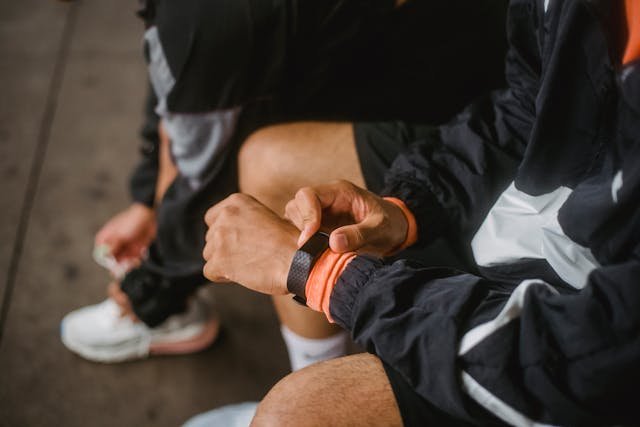
Imagine finishing a workout and reviewing not only the calories burned but also how effectively you stayed within your training zones. Such insights can keep you engaged and motivated, ensuring that each step, repetition, or pedal stroke brings you closer to your fitness objectives. Using a well-fitted tracker like the Fitbit Charge 5 Strap can significantly enhance the accuracy and consistency of your daily feedback.
Personalized Workout Plans: Your On-the-Go Trainer
The days of one-size-fits-all workout routines are over. Today’s wearables leverage AI technology to create tailored plans that align with your fitness level, aspirations, and preferences.
For example, a running program can gradually increase in distance or speed, based on your performance insights, enabling efficient training while minimizing the risk of injury. For those focused on strength training, wearables can assess muscle fatigue and recovery, adjusting your plan as necessary to ensure optimal gains while allowing for adequate rest.
The adaptability of personalized plans is a significant advantage. If you’ve just completed an intense session or had a restless night, your wearable may recommend a gentler yoga session or active recovery. Conversely, if you’re consistently meeting your targets, it might encourage you to ramp up your efforts.
With AI-driven wearables, your workout routine is not static; it evolves alongside your progress, resembling the guidance of a personal trainer that’s available around the clock.
Health Monitoring: Leading the Charge in Fitness and Preventive Care
Today’s wearables extend beyond mere workout tracking. They also offer advanced health monitoring, empowering users to take charge of their overall wellness proactively.
Metrics such as heart rate variability, blood oxygen levels, and sleep quality provide deeper insights into your body’s requirements. For instance, closely monitoring sleep patterns can enhance recovery and energy levels, improving workout performance. Similarly, tracking stress and recovery metrics helps prevent overtraining and burnout.
This preventative strategy enables users to identify potential issues before they escalate. If signs of fatigue or elevated stress are detected, your wearable can suggest adjustments, whether that means substituting an intense workout for some rest or focusing on hydration and mindfulness practices.
By bridging fitness tracking and health monitoring, wearables empower users to attain better results while prioritizing their overall health.
In 2025, wearable fitness technology is more advanced and intuitive than ever, reshaping how individuals set and pursue their personal objectives. Through real-time analytics, personalized workout plans, and in-depth health monitoring, wearables not only track progress but significantly optimize it.
Whether you’re a dedicated athlete or just commencing your fitness journey, wearables provide the tools and insights necessary for success. By transforming data into actionable steps, they ensure that every effort contributes to realizing your best self.
With the right wearable, such as a properly fitted Fitbit Charge 5 Strap, you’re not just staying active; you’re staying ahead, achieving all your fitness goals in 2025 and beyond.