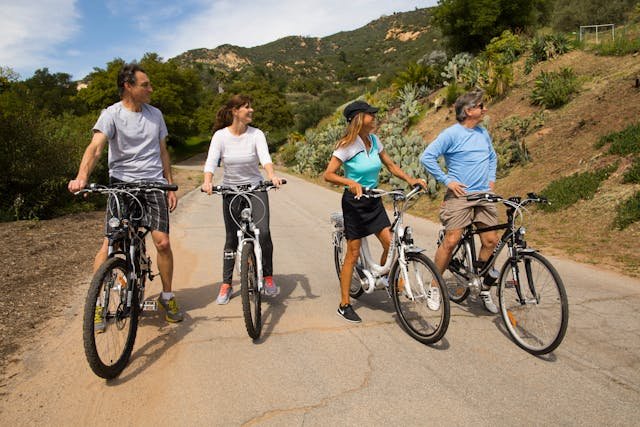
Electric bicycles, commonly known as ebikes, have gained significant traction in recent years, and it’s easy to see why. They offer an efficient, environmentally friendly, and enjoyable means of transportation, making cycling accessible for everyone. Ebikes empower those who may struggle with traditional bikes, while also encouraging experienced cyclists to ride longer distances with less effort. The advantages of ebike adoption extend beyond mere transportation; they positively influence health, support environmental sustainability, and contribute to improved urban planning.
Varieties of EBikes
While all ebikes utilize battery-powered assistance, different models cater to specific preferences and needs:
Pedal-Assist E-bikes
These bikes require riders to pedal normally, but integrated motors provide additional power based on pedal rotations or heart rates, significantly reducing effort—especially on inclines. Perfect for commuting and recreational use.
Throttle-Controlled E-Bikes
With throttle-controlled ebikes, riders can accelerate without pedaling, allowing them to take breaks while the motor propels the bike. These are ideal for individuals with physical challenges or those who need a little assistance on long rides.
Speed Pedelecs
Designed for performance, speed pedelecs offer high-powered motors, enabling speeds of up to 28 mph, making them a popular choice for amateur racing enthusiasts in Europe.
Cargo E-Bikes
These robust ebikes are equipped with extended rear racks and baskets, making it easy to transport kids, pets, groceries, or goods for businesses. They’re invaluable for families and small businesses alike.
With the flexibility and convenience that ebikes offer, owning one is a smart choice. The benefits go far beyond transportation, enhancing health and contributing positively to the environment.
Advantages of E-Bikes
Ebikes enhance cycling experiences by offering numerous benefits such as:
Boosted Cardiovascular Health
Regular cycling with an ebike helps maintain elevated heart rates, improving cardiovascular conditioning, enhancing blood circulation, and increasing overall stamina.
Increased Muscle Strength & Endurance
The added propulsion allows for faster pedaling and longer distances, building muscle strength and reducing fatigue, particularly beneficial for those with joint pain or mobility limitations.
Weight Management & Calorie Burning
Research reveals that e-biking can burn over 50% more calories than walking alone. The customizable assistance makes it easier to achieve cardio workouts without excessive fatigue, allowing users to meet their exercise goals more effectively.
Mental Well-Being & Stress Reduction
Engaging with the outdoors, moving, and achieving goals can alleviate anxiety and depression while enhancing mood through the release of endorphins and dopamine. Any joyful physical activity can bring about positive changes.
Cost-Effectiveness & Convenience
Using ebikes for urban travel can eliminate expenses related to gas, parking, insurance, and mitigate the stress of traffic congestion. These savings can contribute to recreational activities or savings for retirement.
Environmentally Friendly Choices
With zero greenhouse gas emissions, ebikes significantly lower environmental footprints, leading to cleaner air and healthier ecosystems. This shift in preferences fosters a culture of sustainable transportation.
Improved Inclusivity & Accessibility
Ebikes offer varying levels of assistance, enabling individuals of different fitness levels and ages to participate in cycling, making it more accessible to those with medical conditions or limited strength.
The cumulative advantages of ebikes enhance quality of life, making them a valuable option for convenient mobility. Their integration into daily needs is transforming commuting and transportation dynamics.

E-Bikes as a Commuting Solution
Using lightweight electric bicycles in place of cars is an effective method to modernize urban mobility, especially in densely populated cities.
Quicker Travel Between Points
In heavy traffic, ebikes can often navigate faster than cars, allowing riders to bypass gridlocks and utilize narrow paths accessible only to bicycles.
Seamless Integration with Public Transport
Many public transport systems allow ebikes onboard, which is perfect for journeys connecting suburbs to urban centers, thereby avoiding parking hassles. Bike-sharing programs at transit hubs also facilitate easy last-mile connectivity.
Health-Conscious Alternatives
Health professionals advocate for replacing driving with cycling, as studies indicate that active commuting can decrease mortality risks related to hypertension and strokes by over 50%.
Safety Guidelines for EBike Riders
To ensure personal safety and protect your equipment, follow these best practices:
Wear Protective Gear
Visibility is key; wearing bright, reflective gear along with lights improves safety for cyclists, who lack the protective barrier of vehicles.
Utilize Designated Bike Paths
Adhere to traffic rules by using marked bike lanes and greenways to avoid risky interactions with vehicles, especially at congested intersections.
Conduct Regular Maintenance
Ensure your bike is in optimal condition by checking tire pressure, lubricating chains, and inspecting brake pads routinely—as you would for any motorized vehicle.
Adopt Defensive Riding Techniques
Assume that drivers may not see you. Use clear signals, avoid sudden maneuvers, and exercise caution while passing others to minimize collision risks.
Impact of EBikes on the Environment
The growing adoption of ebikes also provides significant environmental benefits:
Reduced Community Carbon Emissions
Replacing half of motor vehicle trips with pedal-assisted ebikes can cut over 40 million tons of CO2 emissions annually in American suburbs, as highlighted by environmental analyses.
Investment in Sustainable Infrastructure
Cities that prioritize bike-friendly infrastructure, such as safer bike lanes and trail networks, encourage a shift towards more environmentally conscious urban planning.
Promoting Green Commuting Habits
The successful integration of ebikes encourages shifts toward sustainable commuting practices rather than relying solely on penalties to reduce car usage.
The collective value that sustainable transportation brings to communities reinforces the benefits for residents far more than initially recognized. Exploring options like ‘electric bike stores near me’ and purchasing an ebike ensures long-lasting benefits.

Maintaining and Caring for Your E-Bike
Protect your investment through essential care practices:
Proper Battery Maintenance
Regularly charge your battery fully instead of relying on partial quick charges and store it indoors to avoid temperature extremes that can degrade its lifespan.
Regular Cleaning
Gently clean your bike with a hose, avoiding direct pressure on the motor to prevent water damage. Lubricate the drivetrain to extend its lifespan.
Tire Checks
Maintain appropriate tire pressure to ensure optimal performance. Underinflated tires can slow you down and wear out faster, while overinflated tires can lead to blowouts.
Brake Pad Inspections
Inspect brake pads at least twice a year. Replacing them on time prevents damage to the rotors and ensures reliable stopping power.
The Future of E-Bikes
The future of ebikes looks promising, with ongoing advancements expected:
Technological Innovations
From durable frame designs to cutting-edge microprocessor integration, components are continuously evolving to enhance utility, control, and efficiency, attracting new users with personalized features.
Growing Popularity
As early adopters show off the benefits of ebikes, their popularity will rise, easing fears surrounding unfamiliarity and encouraging broader acceptance among the public.
Shifts in Urban Planning
As cities recognize the importance of evolving transportation systems, they are investing in bike infrastructure and promoting walkable neighborhoods to facilitate easier access to multi-modal transit options.
With projected ebike sales reaching $70 billion by 2030, embracing urban designs that prioritize human-centric commuting can create community-focused environments that enhance the overall quality of life.
Conclusion
Ebikes offer numerous health, environmental, and practical benefits that multiply with increased usage, supporting sustainable urban planning for the future. They revolutionize fitness and mobility access, allowing diverse populations to enjoy cycling without the physical strain often associated with traditional biking. Ensuring you choose the right ebike model for your specific needs can be accomplished by visiting local specialty shops that offer guidance tailored to the latest electric bike options, optimizing the advantages of electric assistance for all.