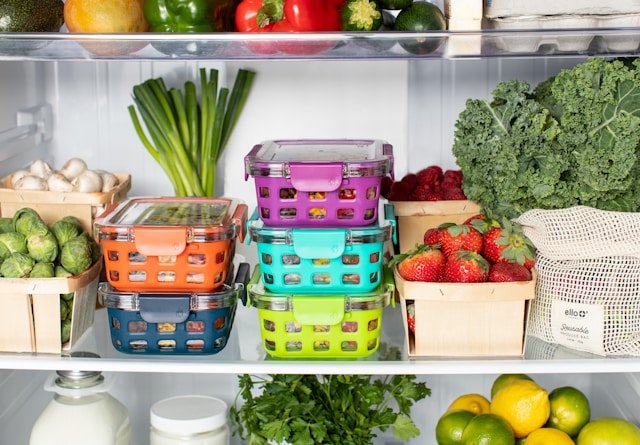
Effectively storing perishable items is crucial for preserving their quality, safety, and longevity. Whether you manage a commercial kitchen, oversee a grocery store, or simply keep your home refrigerator stocked, avoiding storage errors can lead to cost savings and less food waste. Even with the best intentions, many individuals inadvertently make mistakes that undermine the freshness of perishable goods.
Investing in proper storage equipment, such as a commercial fridge, can significantly help prevent spoilage. However, understanding the best practices for storing perishable items is equally important. This guide identifies common pitfalls and offers practical advice to help keep your food fresh and safe.
Storing Food at Incorrect Temperatures
Temperature regulation is vital in preserving perishable goods. When foods are stored at inappropriate temperatures, they become susceptible to bacterial growth, leading to spoilage and potential health hazards.
Common Errors
- Setting fridge or freezer temperatures too high or low.
- Leaving perishables outside the refrigerator for prolonged periods.
- Neglecting the “danger zone” for bacterial growth, which ranges from 5°C (41°F) to 60°C (140°F).
How to Avoid This
- Maintain refrigerator temperatures between 1°C and 4°C (34°F to 39°F).
- Regularly check fridge and freezer temperatures with a thermometer.
- Immediately place items such as meat and dairy in cold storage after purchasing.
Poor Organization in Storage Units
A disorganized storage area not only wastes time but also increases the likelihood of food spoilage. Inadequate arrangement can block airflow, resulting in uneven cooling and accelerated spoilage, which should be considered when storing perishable items.
Common Errors
- Overstuffing fridges or freezers, which hinders airflow.
- Stacking items without proper separation, increasing the risk of cross-contamination.
- Placing newer products in front, which can lead to older items being forgotten.
How to Avoid This
- Arrange food items to facilitate free air circulation.
- Implement a “first in, first out” (FIFO) method for utilizing older stock first.
- Utilize clear containers to group similar items together.
Improper Packaging of Perishables
The way perishable goods are packaged can greatly influence their freshness. Improper sealing can result in moisture loss, freezer burn, or contamination.
Common Errors
- Using inappropriate containers or wrapping materials.
- Failing to seal packages securely, allowing air entry.
- Storing items in their original packaging for too long.
How to Avoid This
- Utilize airtight containers or vacuum-sealed bags to limit air exposure.
- Securely wrap items like meat and seafood with plastic or foil before freezing.
- Label packages with dates for easy freshness tracking.
Overlooking Cross-Contamination Risks
Cross-contamination happens when harmful bacteria transfer from one food item to another. This can result from poor handling practices or inappropriate storage techniques.
Common Errors
- Storing raw meat above ready-to-eat foods.
- Using the same container for raw and cooked items.
- Allowing raw meat or seafood juices to drip onto other foods.
How to Avoid This
- Always place raw meat, poultry, and seafood on the bottom shelf of the refrigerator.
- Use separate containers for raw and cooked foods.
- Immediately clean spills and sanitize surfaces to minimize bacterial spread.
Neglecting Regular Cleaning of Storage Units
Unsanitary storage areas can become breeding grounds for bacteria and mold, which can contaminate food and decrease its shelf life.
Common Errors
- Skipping regular cleaning of fridges, freezers, and shelves.
- Ignoring spills, leaks, or condensation buildup.
- Failing to inspect and replace worn seals or gaskets.
How to Avoid This
- Clean fridges and freezers at least monthly using mild soap and warm water.
- Regularly remove and sanitize shelves, drawers, and containers.
- Inspect and repair any damaged seals to maintain stable temperatures.
Ignoring Expiry Dates
Expiry dates serve an important purpose, yet many individuals overlook them or fail to rotate stock effectively, resulting in wasted food and potential health risks.
Common Errors
- Storing expired items alongside fresh products.
- Neglecting to check expiration dates before purchasing.
- Ignoring signs of spoilage such as unpleasant odors, discoloration, or mold.
How to Avoid This
- Regularly inspect stored items and discard anything that has passed its expiration date.
- Place items with shorter shelf lives at the front for easier access.
- Provide training for staff in commercial settings to identify and remove expired goods.
Not Considering Humidity Levels
Humidity can significantly impact the shelf life of various foods. Items such as vegetables require different storage conditions compared to cheese or bread.
Common Errors
- Applying the same storage method for all perishable products.
- Storing produce in high-humidity conditions that promote mold growth.
- Failing to adjust humidity settings on storage equipment.
How to Avoid This
- Store leafy greens in the crisper drawer with high humidity.
- Keep cheese and bread in areas with low humidity.
- Utilize perforated bags for fruits and vegetables to maintain optimal moisture levels.
Conclusion
Properly storing perishable goods entails more than merely placing items in a fridge or freezer. By maintaining optimal temperatures, organizing items appropriately, and managing cross-contamination risks, meticulous attention to detail can prolong the shelf life of your food and safeguard its quality. Whether for personal or commercial use, embracing these practices ensures your perishable goods remain fresh, safe, and ready for enjoyment.