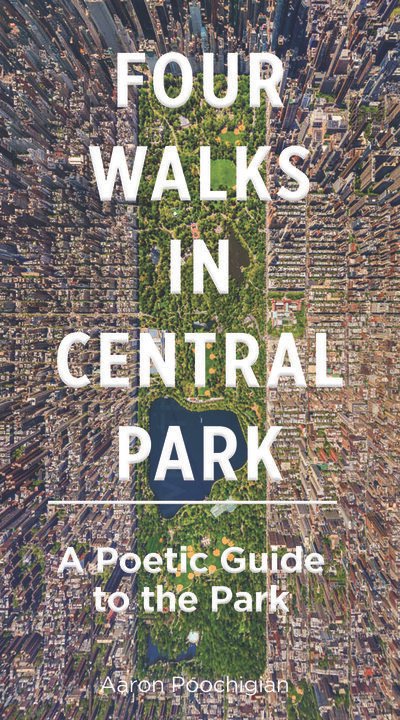
Juggling urgent deadlines and a flood of emails can be incredibly exhausting. The offices, apartments, and concrete landscapes that surround us may feel like prisons from which we seek escape. Not long ago, I found myself longing for a vacation—any vacation—yet I couldn’t afford to take even a single day off. To combat my fatigue and sense of confinement, I began taking short, one-to-two-hour mini-vacations in Central Park, just a ten-minute walk from my home. These brief escapes rejuvenated me, allowing me to return to work energized and prepared for my next challenge.
Here’s a quick overview of a compact tour of the park. In just one hour, you can immerse yourself in nature, ascend to an enchanting castle atop a rocky elevation, and unwind beside a gently flowing stream. Let’s dive in.
The Ramble

Begin your journey by heading southeast from 77th Street and Central Park West, then traveling north along West Drive until you reach Balcony Bridge. Its two east-facing alcoves provide stunning views of the Lake that often inspire me to sing a tenor note to the couples paddling by in rowboats. A quick stroll northeast past the majestic London plane trees will lead you to the rustic Oak Bridge. Cross it, and you’ll enter the Ramble, one of the park’s most densely forested areas, where black cherries and Chinese scholar trees create a canopy that shields the sunlight.
During my first visit to the Ramble, I was astonished to discover such lush greenery within the heart of Manhattan, known for being one of the most densely populated urban zones in the world. I often feel as though I’ve been transported upstate, losing my sense of direction along its winding paths, where the foliage blocks out the sun. The thoughtfully designed labyrinthine layout invites exploration and discovery.
My advice? Embrace the sensation of being lost and immerse yourself in the experience. The Ramble is an ideal location to practice the Japanese art of “forest bathing” (shinrin-yoku). Pay close attention to the details that engage your senses: the melodious calls of whippoorwills, the sweet scent of honeysuckle from the black locust trees, and the occasional outcrops of Manhattan bedrock peeking through the undergrowth. And don’t miss the vibrant understory of clematis, hyssop, sage, and buttonbrush. New Yorkers are fortunate to have such a convincing slice of wilderness at the center of their bustling city.
Belvedere Castle

From here, check your directions as you proceed northward before crossing the bridge that spans the 79th Street Transverse Road. Take a leisurely walk past the lilacs and wisteria up to Vista Rock, where you will encounter the impressive architecture of Belvedere Castle. Its design invokes a whimsical charm reminiscent of Disneyland and romantic tales. Built from local schist, the castle appears to blend harmoniously with the natural rock beneath it. Two prominent turrets stand proudly, providing a striking contrast against the nearby skyscrapers. This enchanting spot offers a touch of romance that we all crave.
The castle’s parapet features an observation deck facing north. Gaze through the columns and discover why it’s called “Belvedere” (meaning “beautiful view”). From this vantage point, you can take in an expansive panorama comprising the Pond, the Great Lawn, the broad Reservoir, and the skyline of Harlem beyond the park’s northern edge. When I seek perspective on the park as a whole, I come here.
Turtle Pond

Leave Vista Rock via the path leading northwest, making your way through ornamental cherry and yew trees. Then pivot and stroll northeast past the newly renovated Delacorte Theatre until you reach the quaint wooden dock that extends over Turtle Pond, nestled behind the lush foliage of willow oaks and white cypress trees. Stand at the dock’s edge and let the various shades of green around the water mesmerize you.
Initially, you’ll notice only reeds and nitella blooms, but soon you’ll spot the turtles: painted turtles, snapping turtles, and red-eared sliders. Some will be basking on the rocks, while others leisurely patrol the area in search of dragonflies. Many of these turtles were once pets, kept by children until their parents insisted they return to their natural habitat. After a solemn farewell ceremony on the shore, they are set free, and with a resounding splash, they dive into their new lives. It’s soothing to watch these carefree creatures as they navigate their days free from deadlines and responsibilities, embodying a serene existence defined by the gentle rhythm of water, which itself is known for its calming effects.
The Obelisk

If you head northeast off the main paths, you’ll cross grassy areas, pass under elms and lindens, and eventually discover a grove of magnolias adorned with white, pink, and purple blossoms. These relatively small, shrub-like trees can’t compete with the impressive seventy-foot-tall Obelisk, often referred to as “Cleopatra’s Needle.” This ancient Egyptian monument has stood for over 3,500 years, with hieroglyphics celebrating Pharaoh Ramses the Great, who is depicted as “Ra’s Chosen One,” “Son of the Sun,” “Giver of Life,” and “Treasure of Osiris.” His accolades are inscribed in stone, far more lasting than papyrus.
We are fortunate to have it here. In 1877, Isma’il Pasha, the Egyptian ruler, gifted it to the United States, and it was railroad magnate William H. Vanderbilt who financed its journey from Alexandria to Manhattan where it was installed in the park. Each visit inspires reflections on the fleeting nature of human achievements. Ramses ruled over a vast empire that disintegrated millennia ago, yet the inscriptions recounting his victories stand as an emblem of sublime ambition amidst the hustle and bustle of picnickers, joggers, and Canadian geese. Triumphs fleeting as they may be, we will always have the richness of the sights, sounds, scents, tastes, and textures that surround us.
This is merely a glimpse into the endless variety that Central Park offers. The next time work or the demands of life leave you in need of a getaway with little time to spare, unfold a map of the park, select a few attractions, and spend an hour exploring them off the beaten path. The park’s abundance and serenity will undoubtedly leave you rejuvenated for whatever awaits you at your desk.
Author Bio
 Aaron Poochigian is a poet, classics scholar, and translator residing in New York City. His translations includeStung with Love (Penguin UK) and a forthcoming edition of Marcus Aurelius’ “Meditations” (W.W. Norton). His work has been featured in publications likeThe Financial Times, The New York Review of Books, andPoetry Magazine. His latest book isFour Walks in Central Park: A Poetic Guide to the Park. Discover more at aaronpoochigian.com.