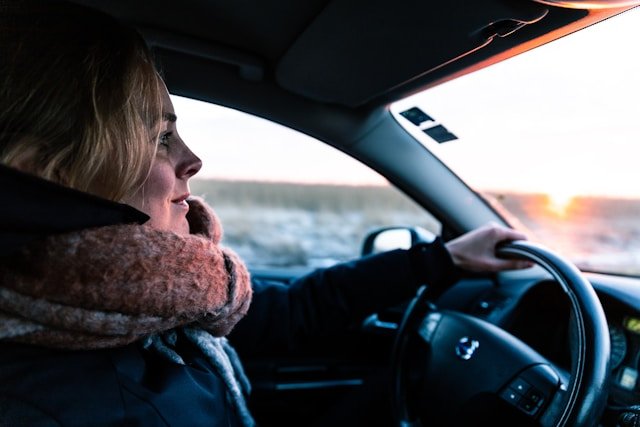
Winter transforms the landscape into a stunning wonderland, but it also presents hazardous driving conditions. From nearly impervious ice to heavy snowfall, every road trip during this season challenges your winter driving abilities.
To ensure the safety of yourself and your passengers, it’s crucial to be prepared for any situation you might face. Follow these steps to confidently navigate whatever winter has in store for you.
Step 1: Conduct Preventive Vehicle Maintenance
Just like you wouldn’t attempt a marathon without the proper shoes, you shouldn’t enter winter without ensuring your vehicle is ready for the elements. Follow these tips to get your car winter-ready.
Enhance Your Visibility
Winter can greatly reduce visibility, with snow piling up on your windshield and heavy snow leading to nearly zero visibility. Additionally, longer nights mean more driving in the dark. Here are some strategies to improve your visibility:
- Make sure your headlights, taillights, and brake lights are clean and functioning properly.
- Test your high beams to confirm they can illuminate up to 350 feet ahead and your low beams can shine at least 200 feet.
- Replace your wiper blades and fill the windshield washer reservoir with winter-grade fluid that won’t freeze.
- Remove any snow or ice from your entire vehicle to prevent it from blowing off and obstructing other drivers’ views.
Evaluate Your Battery and Electrical System
Frigid temperatures can slow your car battery’s chemical reactions, reducing its power just when you need it most.
Have a professional test your battery’s condition and its charge-holding capacity. Take longer drives, ideally at least 30 minutes weekly, to keep it fully charged. Additionally, turn off your headlights, heater, and radio before starting your vehicle to lessen the initial load on the battery.
Examine Your Tires for Optimal Traction
Before heading out, double-check the following:
- Tread depth: If you can see all of Lincoln’s head when inserting a penny upside down into a tread groove, your tires are too worn for safe winter driving and need to be replaced.
- Tire pressure: Colder temperatures can lower tire pressure, so ensure your tires are inflated to the recommended PSI found on the sticker inside the driver’s door.
- Tire suitability: Consider swapping out all-season tires for winter tires, which can better grip snowy and icy roads and reduce skidding risks.
Check Your Brakes for Safe Stopping Power
Reliable brakes are essential on icy roads where traction is limited. Maintain your brake system’s health throughout winter by keeping fluid levels within the recommended range and scheduling regular check-ups. Test your brakes in your neighborhood before embarking on any long journeys, and watch for warning signs like squeaking or scraping sounds, a soft brake pedal, or uneven wear on brake pads.
Step 2: Focus on Your Well-Being and Attention
Drowsiness contributes to 21% of fatal motor vehicle accidents and 13% of serious road incidents. This risk escalates in winter, with shorter days disrupting sleep patterns and causing fatigue. If you notice signs of drowsiness—heavy eyelids, frequent yawning, trouble concentrating, or drifting out of your lane—stop safely to rest.
Set your GPS and silence your phone before you start driving. Keep an eye out for black ice and be vigilant for indicators of other cars, such as brake lights and exhaust fumes.
Step 3: Hone Your Winter Driving Skills
About 24% of weather-related crashes occur on icy, snow-covered, or slushy roads, leading to over 1,300 fatalities and 116,800 injuries. In 2023 alone, there were an estimated 320 fatal crashes and 22,290 injuries attributable to these conditions. Change your driving habits this season to avoid being part of these statistics:
- Drive slowly and cautiously.
- Increase your following distance from three to four seconds to eight to ten seconds.
- Gently press the gas pedal to avoid rapid acceleration and wheel spin.
- Start braking well in advance of when you need to stop.
- Look and steer in the direction you want to go.
- Make turns slowly, using smooth and deliberate steering motions.
- Don’t let seemingly clear visibility give you a false sense of security—continue to drive cautiously.
Step 4: Prepare an Emergency ‘Go-Bag’
Maintain a well-stocked emergency kit in your vehicle, containing essential items to help you during unexpected situations and keep warm while waiting for assistance, if necessary:
- Durable ice scraper and snow brush
- Shovel for snow removal
- Sand or cat litter for added traction under slipping tires
- Jumper cables
- Flashlights with backup batteries
- Road flares or reflective triangles
- Warm blankets, plus extra hats, gloves, and socks
- Power bank for devices
- High-energy, non-perishable snacks
- Bottles of water
Drive Safely and with Confidence This Winter
A well-maintained vehicle, a focused driver, mindful driving techniques, and a fully-stocked emergency kit are crucial for safe winter driving. These measures help ensure the safety of everyone in your vehicle and those on the road around you.
 Author Bio
Oscar Collins is the editor-in-chief at Modded, where he covers topics related to health and fitness. Follow him on Twitter @TModded for updates on his work, and subscribe to Modded Minute for more content!