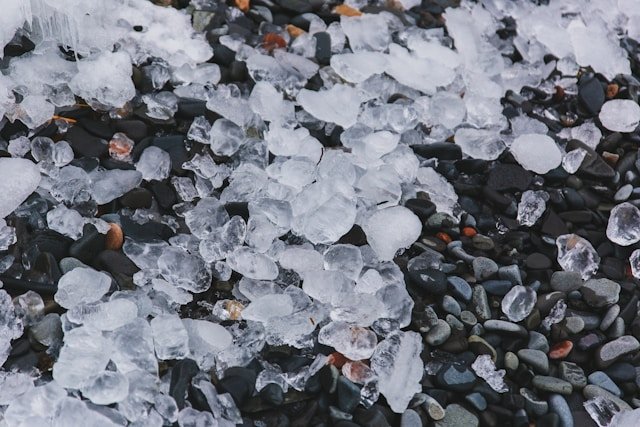
Hailstorms can show up suddenly and vanish just as quickly, often lasting no more than 10 minutes. Despite their brief duration, hailstones—icy balls formed during thunderstorms—can cause significant damage in that short time.
The extent of the damage largely depends on the size of the hailstones; they can harm roofs, windows, vehicles, and outdoor gear. For outdoor enthusiasts, even small hail presents a serious safety risk. Here are some strategies to safeguard yourself and your home from hail.
1. Stay Informed About Weather Alerts
In the U.S., hail is most frequently reported in a region known as “hail alley,” where Wyoming, Nebraska, and Colorado converge. However, hail can occur anywhere at any time throughout the year.
To minimize risk, incorporate weather checks into your daily routine. Before heading out for a run, nature walk, or outdoor workout, take a moment to review a trustworthy weather app.
2. Prioritize Protecting Your Head and Neck
If you find yourself in an unexpected hailstorm, your primary focus should be on shielding your head. Research indicates that 44.7% of emergency room visits due to hailstorms involve head injuries. Use any available items, such as a backpack or jacket, to protect yourself.
If you’re biking or skating, keep your helmet on and avoid rushing. The same study reveals that 35.6% of injuries stemmed not from the hail itself, but from slips and falls while trying to escape.
3. Find Shelter Immediately
As soon as hail begins to fall, seek shelter without delay. Remember that not all shelters will adequately protect you. Aim for enclosed buildings like convenience stores or restaurants.
Avoid taking cover beneath large trees, open shelters, or awnings, as hail can be significantly stronger than it seems. The largest hailstone ever documented was over 6 inches in diameter and weighed more than a pound, able to travel faster than 100 mph. This means open areas provide minimal protection.
Additionally, hail often accompanies thunderstorms, which can bring lightning, strong winds, and heavy rain. Taking refuge under trees or in open spaces can actually be more perilous.
4. Stay Clear of Windows and Skylights
Even when indoors, you’re not entirely safe during a hailstorm. Strong winds can alter the trajectory of falling hail, raising the risk of broken glass. Keep your distance from windows, glass doors, and skylights.
If you’re at home, close the curtains and utilize storm shutters if available. When possible, relocate to the center of your home, away from windows and doors.
5. Inspect Your Roof, Windows, and Doors Regularly
Your roof, windows, and gutters endure the brunt of hail impacts. Conducting regular inspections can help identify vulnerabilities before a storm strikes. Remain vigilant for any signs of damage to your roof or windows, and address repairs promptly to prevent further issues.
Consider upgrades such as impact-resistant roofing materials or protective shutters to mitigate damage in the long run. Additionally, trimming trees near your house can help avoid falling branches that could cause further harm.
6. Secure Outdoor Equipment and Gear
Outdoor items can pose risks during hailstorms. Bring bicycles, weights, planters, garden tools, and furniture indoors when bad weather is on the horizon. If moving them inside isn’t an option, ensure they are securely anchored in place. Hailstorms can damage loose objects or send them crashing into windows and walls.
7. Use Covered Parking and Protect Your Vehicle
Hailstorms can severely damage your car’s exterior. If a storm is approaching, move your vehicle into a garage as soon as possible. An insulated garage provides better protection from hail impact.
If you’re driving when a hailstorm occurs, slow down, pull over safely away from trees, and stay inside your vehicle. Avoid parking near windows or glass structures, and keep a distance from your car’s doors.
Stay Prepared, Stay Safe
While you can’t control the weather, being prepared can make a substantial difference. By staying informed and knowing what to do during a hailstorm, you can greatly reduce the risk of damage to your property and ensure your safety.
 Author Bio
Oscar Collins is the editor-in-chief at Modded, where he focuses on health and fitness topics. Follow him on Twitter @TModded for updates on his latest work, and subscribe to Modded Minute for more insightful content!