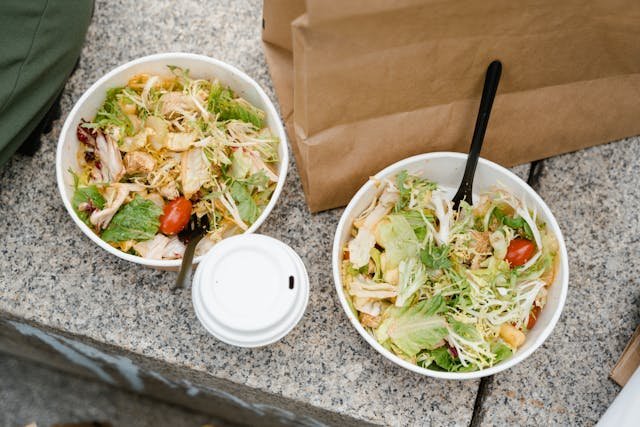
Preparing dinner every night isn’t always feasible. Takeout provides a convenient and comforting option, especially after a long day. Many people assume that ordering takeout means compromising on healthy eating, but that’s not necessarily true. With just a few easy adjustments, you can savor your favorite dishes without veering off track with your nutrition goals. Here are five practical, nutritionist-approved strategies to make your takeout choices healthier.
1. Opt for Grilled, Steamed, or Roasted Dishes
Dishes that are grilled, baked, roasted, steamed, or broiled typically require less oil and retain more nutrients, especially in proteins and vegetables. On the other hand, fried, crispy, battered, or creamy options usually contain higher levels of saturated fats and calories. If your meal is prepared with oil, consider choosing olive oil, which can help reduce inflammation and support heart health. If you’re unsure, don’t hesitate to ask the restaurant how they prepare their dishes.
As an example, tacos with grilled chicken are a lighter choice compared to those with fried chicken. Steamed dumplings often make for a healthier option than fried egg rolls. Roasted vegetables provide flavor and fiber without added grease. If the cooking method isn’t specified on the menu, it’s worth inquiring about a grilled or steamed preparation when placing your order.
2. Incorporate Vegetables into Every Meal
Takeout menus may not always highlight vegetables, but including them wherever possible helps create a more balanced meal. Adults should aim for around 25 to 30 grams of fiber each day to promote gut health and maintain steady blood sugar levels. Vegetables are packed with fiber, micronutrients, and bulk, making your meal more satisfying without significantly increasing calories.
If you’re ordering a sandwich or burger, consider adding a side salad or grilled veggies. Choose pasta dishes that come with spinach, mushrooms, or zucchini. Many Asian and Mediterranean restaurants offer vegetable sides or allow for the addition of extra veggies to your main course.
3. Be Wary of “Healthy” Labels
Some restaurants advertise meals as healthy while still loading them with excessive sugar, salt, and calories. Grain bowls, smoothie bowls, and even salads can be surprisingly calorie-dense if they feature sugary sauces, creamy dressings, cheese, or fried toppings.
Sodium can also be a hidden issue in meals that seem light. Most adults should consume no more than 2,300 milligrams of sodium daily, yet many exceed this limit. Processed meats, such as sausage, bacon, ham, and salami, are often high in sodium. To reduce sodium intake without giving up on fiber, opt for leaner proteins like grilled chicken or plant-based options like tofu.
It’s beneficial to glance at the dish’s ingredients. Swapping out creamy sauces for vinaigrettes, forgoing fried toppings, or requesting dressings on the side are straightforward strategies to maintain healthier choices without significant sacrifices.
4. Be Mindful of Portion Sizes
Takeout servings are often larger than typical home-cooked portions. However, you don’t have to consume everything in one sitting. Consider setting aside part of your meal for later or sharing an entrée with someone to avoid feeling overly full.
Ordering from the appetizer section or kids’ menu can also provide more sensible portion sizes. Another effective strategy is to pair your main dish with lighter sides, such as soup, a small salad, or steamed vegetables, instead of two heavy items. Eating slowly and stopping when you feel satisfied can be more gratifying than finishing the entire portion just because it’s available.
5. Strive for Balance
Nutritionists often emphasize the importance of creating balanced meals that contain protein, fiber, complex carbohydrates, and healthy fats. This balance can still be achieved with takeout.
For example, pair a rice bowl with a protein source like chicken or tofu alongside a vegetable side. Alternatively, opt for a thin-crust pizza accompanied by a salad rather than breadsticks. Sushi served with miso soup and edamame can offer a more balanced meal compared to a hefty roll loaded with fried toppings. Additionally, incorporating protein into your meals will help you feel full and reduce cravings.
You don’t have to get it perfect every time, but adding a bit more variety to your takeout order can enhance your well-being after the meal and support your overall health objectives.
Takeout Can Fit into a Healthy Lifestyle
There’s no need to compromise your nutrition goals for a healthier takeout experience. By making a few simple adjustments, you can enjoy your favorite meals while feeling good about your choices.