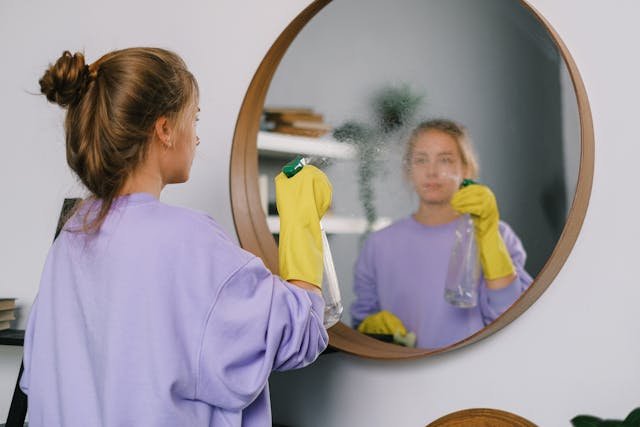
A truly clean home goes beyond mere aesthetics; it is the cornerstone of your family’s health and well-being. A well-maintained living space serves as a protective sanctuary, shielding you from outdoor pollutants while fostering restful sleep, alleviating daily stress, and guarding against allergens and harmful bacteria. Achieving such cleanliness, however, requires more than occasional weekend cleaning marathons. It demands a proactive mindset, the right tools, and high-quality products that deliver results. From essential items like reliable mops and vacuum cleaners to effective floor cleaners, every choice contributes significantly to upholding the hygiene standards your family deserves. This guide offers you science-backed strategies to create a consistently clean, safe, and inviting home environment.
Laying the Groundwork for Home Hygiene
Many people underestimate the constant influx of dirt, allergens, dust mites, and harmful microorganisms into their homes through air circulation, foot traffic, and daily activities. These invisible intruders not only make surfaces look unclean but can also lead to respiratory issues, skin irritations, and a weakened immune system over time. Thus, regular cleaning extends beyond aesthetics; it is a crucial aspect of preventive healthcare for your household.
Effective cleaning starts with recognizing that different areas of the home have varying levels of hygiene needs. High-traffic zones such as kitchens, bathrooms, and entryways require daily attention, as they quickly accumulate contaminants. In contrast, less frequented spaces like guest rooms, storage areas, and ceiling fixtures can be cleaned less often without sacrificing overall hygiene. This targeted approach saves you time and energy, allowing you to focus on what truly matters.
Establishing a Practical Cleaning Routine
The difference between homes that seem perpetually tidy and those that feel chaotic often boils down to one factor: a consistent routine versus reactive cleaning. Instead of exhausting yourself with marathon cleaning sessions every few weeks, effective home maintenance involves breaking tasks into manageable daily, weekly, and seasonal activities. Daily chores may include washing dishes or wiping down counters, while weekly tasks cover bathroom sanitization and thorough floor cleaning. Seasonal projects, like window washing and carpet deep-cleaning, complement your comprehensive approach.
When prioritizing your efforts, start with areas that affect health and safety directly. Addressing mold growth before it spreads, eliminating food residues that attract pests, and keeping dust buildup in bedrooms in check should take precedence over cosmetic concerns like organizing closets or polishing decorative items.
The Johnson family serves as an illustrative example. After adopting a simple rotating cleaning schedule, they observed a significant improvement in their children’s allergy symptoms within just six weeks. This transformation wasn’t reliant on expensive air purifiers or medications; it stemmed from consistent, targeted cleaning that tackled the root causes of indoor allergens.
Key Insight: Rotate your deep-cleaning tasks monthly to ensure a consistently fresh home without overwhelming your daily schedule.
Choosing the Right Cleaning Products and Tools
Not all cleaning products are created equal, and safety should never be sacrificed for cleaning efficacy. Avoid harsh chemicals that contain volatile organic compounds (VOCs), ammonia, or chlorine bleach; while they may deliver quick results, they can compromise your indoor air quality and pose health risks to your family. Instead, consider plant-based, biodegradable alternatives that effectively eliminate germs while ensuring your home’s air is safe to breathe.
Your choice of equipment should cater to your household’s unique needs and lifestyle. Traditional tools like microfiber cloths and high-quality mops are effective for most cleaning tasks, but families with pets might find robotic vacuums indispensable for managing shedding. Households with mobility challenges can benefit from steam cleaning systems that reduce physical strain while producing excellent results.
Experts in environmental health consistently find that using cleaning products tailored to specific surfaces not only enhances effectiveness but also extends the lifespan of your materials. This is particularly crucial for flooring, where using inappropriate products can cause irreversible damage or void warranties.
Tackling Common Cleaning Challenges
We’ve all dealt with stubborn stains resistant to every cleaner and persistent odors that return shortly after cleaning. The key lies in understanding the science behind these challenges. Enzyme-based cleaners work by breaking down organic stains at a molecular level, while baking soda neutralizes odors rather than masking them with synthetic fragrances.
Families with pets or small children face additional hurdles that necessitate specialized safety measures. Non-toxic cleaning products are essential when furry family members are involved, and secure storage for chemicals with child-proof locks can prevent accidents while upholding your cleanliness standards.
The Martinez family struggled with lingering pet odors for months before discovering the effectiveness of enzyme-based products combined with daily spot-cleaning routines. Within three weeks of this change, their home transformed from a source of embarrassment to a welcoming space, demonstrating that the right approach truly matters.
Embracing Sustainable and Eco-Friendly Cleaning Practices
Here’s some uplifting news: being environmentally responsible does not equate to compromising on cleaning effectiveness. Concentrated cleaning products significantly minimize packaging waste while often providing better value. Furthermore, simple DIY remedies using white vinegar, baking soda, and castile soap can effectively tackle most cleaning tasks without introducing harmful chemicals into your home.
Efficacious resource conservation benefits both your budget and the environment. Energy-efficient appliances, cold-water washing when possible, and investing in high-quality reusable microfiber cloths can lower your environmental impact while reducing household expenses. These practices align well with recommendations from leading environmental health organizations advocating for sustainable home maintenance approaches.
Sustaining Cleanliness Between Deep Cleans
The secret to maintaining a consistently clean home lies in small daily habits that prevent dirt and grime from taking root. Wiping down kitchen counters right after meal preparation, sweeping high-traffic areas before debris becomes embedded, and addressing spills immediately help sustain your home’s cleanliness with minimal effort.
Even more effective are proactive strategies that prevent dirt from entering your space. Quality doormats placed inside and outside entryways, establishing a shoes-off policy for family members, and keeping up with regular trash disposal schedules vastly reduce your cleaning workload. These techniques help contain contamination before it spreads throughout your home, enhancing the efficacy of your cleaning efforts.
Problem-Solving and Troubleshooting
When cleaning results fall short, the issue often lies not with your technique but with using inappropriate products or inconsistent application. Before trying any new product, it’s advisable to test it on a discreet area first and always adhere to manufacturer guidelines while maintaining realistic expectations about what any single product can accomplish.
For particularly challenging situations that defy your best efforts, consider seeking assistance from professional cleaning services or authoritative cleaning resources. Sometimes an expert’s insight can provide solutions that save you time, money, and frustration while also protecting your home’s surfaces from potential damage.
Moving Forward With Assurance
Creating and sustaining a healthy, clean home revolves around five essential elements:
- Consistent cleaning routines
- Appropriate tools
- Safety-conscious decisions
- Environmental responsibility
- Realistic expectations.
Instead of viewing home cleaning as a never-ending drudgery, try reframing it as a continual investment in your family’s health and happiness.
Start by honestly evaluating your current cleaning practices. Choose one new strategy from this guide to implement and observe the results over the next few weeks. You may discover that small, consistent improvements lead to lasting positive changes that enhance both your home environment and overall quality of life.