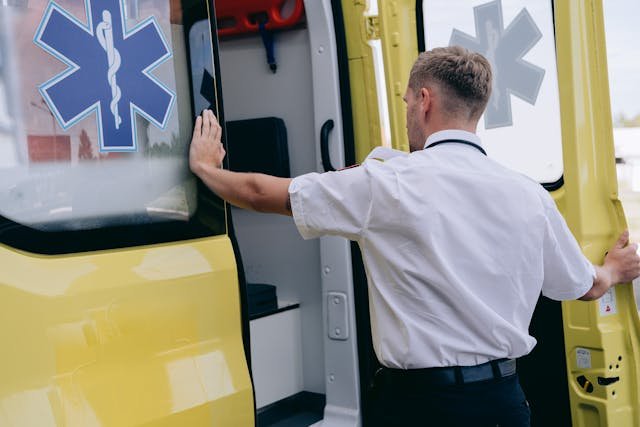
Each year, countless individuals facing mental health crises are transported throughout the UK, moving from homes, community settings, and police custody to hospitals and specialized care facilities. With the increasing need for mental health support, the pressure on the NHS, A&E departments, and secure wards continues to escalate. These challenges underscore the importance of a coordinated approach to ensure that patients receive safe, compassionate, and timely care at all stages of their journey. However, one crucial aspect often gets overlooked: the safe and professional transportation of individuals experiencing acute mental distress.
This is where specialist mental health transport plays a vital role. These services offer far more than transportation; they deliver care, reassurance, and stability during one of the most vulnerable times in a person’s life. Staffed by trained professionals who are knowledgeable in mental health, they ensure that transfers are conducted with dignity, clinical precision, and a strong respect for the patient’s well-being. By minimizing delays, preventing incidents, and alleviating pressure on emergency services, these specialized teams significantly contribute to the efficiency of the entire UK healthcare system, thus becoming an essential component of contemporary mental health care.
Here are ten reasons why specialist mental health transport services are crucial to the UK healthcare landscape.
1. Safe and Compassionate Transport for Mental Health
In mental health care, dependable and safe transportation can critically influence patient outcomes. Specialist mental health transport ensures individuals in crisis are moved with dignity, respect, and appropriate clinical understanding. These services transcend traditional ambulances by prioritizing the protection of both patients and staff while providing reassurance and stability during a vulnerable situation.
Professionally trained personnel possess the necessary skills and mindset to navigate complex scenarios with calmness and respect. Their approach emphasizes:
- Trauma-informed care – Recognizing emotional triggers and avoiding actions that may cause additional distress.
- De-escalation techniques – Employing empathy, tone modulation, and calm communication to diffuse tense situations.
- Safe, purpose-built vehicles – Designed for comfort, privacy, and security, without feeling confining or intimidating.
Unlike standard ambulances or police transport, which can unintentionally induce anxiety or fear, specialist mental health transport prioritizes the individual’s well-being. The objective isn’t solely to reach a destination, but to ensure that the individual feels safe, heard, and respected throughout the journey. This mirrors advancements in healthcare technology, where human empathy and professional tools converge to enhance care. Just as medical technology fosters healthier living, specialist mental health transport merges training, empathy, and thoughtful design to bolster safety, dignity, and recovery at every phase of the individual’s journey.
2. Alleviating NHS Waiting Times and Bed Blockages with Specialist Mental Health Transport
A significant pressure on the UK healthcare system arises from the delays incurred when patients in mental health crises cannot be swiftly transferred to appropriate care settings. A&E departments and hospital wards can become overcrowded as patients waiting for specialist care occupy beds that could serve others in urgent need. Such delays not only amplify stress for patients but also burden NHS resources, leading to longer waiting periods, frustrated staff, and compromised care quality.
Specialist mental health transport services are integral to mitigating these challenges. Operated by trained crews capable of responding promptly, often around the clock, these services facilitate the safe movement of patients from A&E or community settings to the suitable facility without unnecessary delays. Efficient transfers reduce the duration patients spend in inappropriate environments, freeing up hospital beds and allowing staff to focus on those who require immediate attention.
Key advantages include:
- Quicker patient placement – Specialist teams coordinate directly with mental health units to confirm availability and facilitate smooth transitions.
- Minimized bed blockages – This allows A&E and ward spaces to accommodate incoming patients, enhancing the overall flow of the hospital.
- Improved hospital performance metrics – Timely transfers support Key Performance Indicators (KPIs) such as patient length of stay, discharge rates, and satisfaction levels.
By streamlining patient movement, specialist transport services not only protect vulnerable individuals but also enhance the operational efficiency of the NHS. They transform a stressful and potentially perilous process into a controlled, compassionate, and clinically effective service, benefiting patients, healthcare staff, and the healthcare system as a whole.

3. Supporting Mental Health Professionals and Hospital Staff
Specialist mental health transport services do more than assist patients; they also provide crucial support to hospital staff and mental health professionals by managing the complex logistics of safely moving individuals. This enables clinical teams to focus on their primary responsibilities: care and treatment.
Key areas of support include:
- Alleviating staff workload – Nurses, ward personnel, and security staff are relieved of the tasks associated with escorting patients, reducing stress and fatigue.
- Concentration on clinical care – Staff can devote their attention to assessments, therapy, and treatment strategies rather than transportation logistics.
- Enhanced teamwork – Secure24 crews collaborate closely with hospital staff to guarantee seamless handovers and maintain clear communication.
- Organized transfers – Professional crews expertly manage challenging behaviors or high-risk situations, minimizing incidents within wards.
- Operational efficiency – Hospitals benefit from quicker admissions and discharges, optimizing the overall workflow and patient throughput.
By effectively connecting patient needs with hospital resources, specialist mental health transport services become a vital support network, enabling staff to deliver higher-quality care within a secure environment.
4. Safely Managing High-Risk or Complex Behaviors
Transporting individuals in mental health crises often entails navigating high-risk or complex behaviors such as aggression, psychosis, or self-harm. Specialist mental health transport crews are equipped to address these challenges safely and efficiently. Utilizing dynamic risk assessments, they continuously evaluate the patient’s behavior and environment, adjusting their methods in real time to prevent escalation. This proactive strategy enables them to anticipate triggers and intervene before situations escalate, ensuring the safety of both patients and staff.
A fundamental principle of specialist transport is understanding the distinction between being “secure” and “restrictive.” Although secure vehicles and protocols protect against harm, they are designed to uphold patient dignity and comfort, avoiding any punitive or controlling feelings. Whenever feasible, verbal de-escalation, calm communication, and trauma-informed engagement take precedence over physical restraint. This approach guarantees that patients are treated with respect while risks are managed, creating a safe and supportive environment during an exceptionally vulnerable period. By merging safety, empathy, and professional expertise, specialist mental health transport services transform challenging journeys into structured care experiences.
5. Ensuring Continuity of Care with Specialist Mental Health Transport
Specialist mental health transport is essential for maintaining continuity of care as patients transition between various healthcare settings, including A&E departments, inpatient mental health units, and community care services. Seamless transfers not only safeguard patient safety but also enhance recovery by ensuring consistent and uninterrupted treatment.
Key advantages of continuity include:
- Clear communication – Specialist crews deliver comprehensive handovers to receiving clinicians, covering mental state, medication, and risk factors.
- Coordinated transfers – Aligning with bed availability, treatment schedules, and clinical priorities reduces delays and associated stress.
- Enhanced patient recovery – Smooth transitions help patients feel supported and build trust in their care teams.
- Minimized errors – Accurate handovers prevent miscommunication and ensure that care plans are executed without disruption.
- Professional collaboration – Providers like Secure24 work closely with hospitals, community services, and mental health professionals to keep all parties informed.
By ensuring structured, professional, and patient-centered transport, specialist mental health transport providers help make each transfer an integral part of the care journey, rather than an obstacle to effective, compassionate mental health treatment throughout the UK.

6. Enhancing System Efficiency and Resource Allocation with Specialist Mental Health Transport
Specialist mental health transport directly influences NHS efficiency and resource management. By ensuring swift and safe relocation of patients to appropriate facilities, hospitals can avoid unnecessary bed occupancy, prevent treatment delays, and optimize staff allocation. Every smooth transfer enhances the overall system for both patients and providers.
Without dedicated transport services, hospitals face challenges involving lost bed time, prolonged patient stays, and increased operational costs. Delays in moving patients from A&E or wards to mental health units create bottlenecks, compelling staff to manage complex logistics instead of focusing on clinical care. These inefficiencies ripple through the system, impacting KPIs, patient satisfaction, and the overall performance of the NHS.
Providers like Secure24 adopt innovative strategies to enhance efficiency. Their approach incorporates dependable scheduling, digital tracking of vehicles and transfers, and transparent reporting to hospital teams. This results in well-planned, monitored, and efficiently communicated patient transfers, enabling hospitals to allocate resources better, improve workflow, and maintain high standards of care. By integrating transportation into operational planning, the NHS can deliver safer, faster, and more cost-effective mental health services.
7. Decreasing Police Involvement in Mental Health Crises Through Specialist Transport
In many mental health emergencies, the presence of police during patient transport can create an atmosphere of intimidation, stress, and, at times, trauma for individuals in crisis. While police may be necessary in particularly high-risk situations, specialist mental health transport services provide a more compassionate and secure alternative for routine transfers, minimizing police intervention.
Key benefits include:
- Reducing trauma – Patients are more likely to remain calm and cooperative when being transported by trained mental health professionals rather than uniformed officers.
- De-stigmatizing care – Specialized ambulances normalize the experience of seeking care and treatment, as opposed to presenting patients as “criminals” or dangerous individuals.
- Legality and ethics compliance – Crews operate in accordance with the Mental Health Act and Code of Practice, ensuring that patient rights are upheld throughout.
- Focus on care rather than enforcement – Clinical teams concentrate on observation, reassurance, and safe management instead of policing the situation.
- Improving patient outcomes – By experiencing less anxiety, patients engage more positively with treatment and face fewer escalations during transport.
8. Enhancing Patient Experience and Recovery with Specialist Mental Health Transport
The experience of being transported during a mental health crisis can significantly influence a patient’s recovery and well-being. Specialist mental health transport services prioritize creating a calm, supportive atmosphere, ensuring that patients feel safe, acknowledged, and respected from the moment they are picked up.
Key elements for improving patient experience include:
- Empathetic communication – Trained crews use reassurance and active listening techniques to alleviate anxiety and foster trust throughout the journey.
- Calm, professional ambiance – Purpose-built vehicles and knowledgeable personnel establish a secure and non-threatening environment, allowing patients to feel in control.
- Support for long-term recovery – Positive experiences during transport can lower trauma levels, enhance engagement with care plans, and improve overall mental health outcomes.
- Patient-centered approach – Every decision, from seating arrangements to communication styles, is made with the individual’s comfort and dignity at the forefront.
- Continuity of care – Handoffs between staff include comprehensive communication to ensure a seamless and supportive patient experience throughout their care journey.

9. NHS and Private Sector Collaboration Through Specialist Mental Health Transport
Collaboration between NHS and private specialist mental health transport providers is becoming increasingly crucial in managing the rising demand for mental health services. Organizations such as Secure24 offer scalable and flexible solutions during high-demand times or unforeseen crises, ensuring that patients are transferred safely and swiftly without compromising the quality of care.
Key advantages of NHS-private sector collaboration include:
- Scalability and flexibility – Private teams can be mobilized quickly to support hospitals during peak demand or unexpected events.
- Unified protocols and training – Ensuring alignment between NHS staff and specialist crews contributes to a consistent approach to safety, communication, and patient care.
- Continuity of care – Coordinated efforts minimize delays, maintain accurate handovers, and foster seamless transitions among facilities.
- Equitable access nationwide – Partnerships ensure that patients across the country receive the same high level of transport and clinical support.
- Enhanced system efficiency – Collaborative efforts alleviate burdens on NHS resources, allowing staff to concentrate on clinical care rather than logistics.
10. Future-Proofing Mental Health Care with Specialist Transport
As the UK population expands and the demand for mental health services increases, the need for safe, efficient, and compassionate patient transport will continue to rise. Challenges within the NHS workforce, such as staff shortages and pressures on emergency and mental health services, necessitate careful planning. Specialist mental health transport services represent a sustainable solution; they facilitate safe patient movement while clinical staff can dedicate their efforts to treatment and recovery.
Innovation and technology are set to play a pivotal role in future-proofing these services. Modern specialist transport encompasses GPS tracking, digital reporting, and performance analytics, enabling hospitals and care providers to monitor transfers in real time, optimize routes, and identify opportunities for improvement. By incorporating these services into long-term NHS planning and funding strategies, healthcare leaders can prioritize patient safety, continuity of care, and system efficiency. Investing in specialist mental health transport today lays the groundwork for a more resilient, patient-centered healthcare system tomorrow.