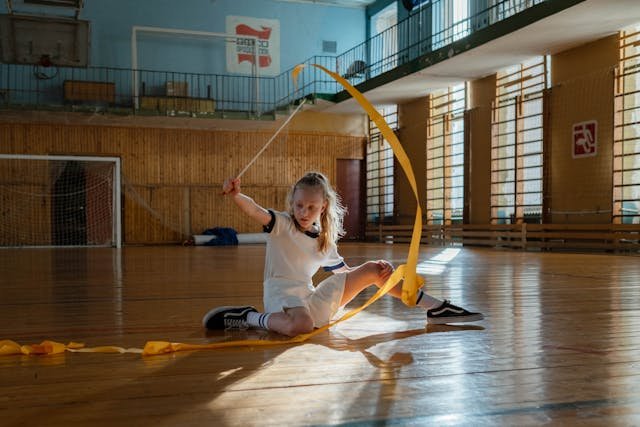
Physical Education (PE) transcends mere breaks from traditional classroom instruction; it is a vital aspect of a child’s educational experience. PE significantly influences not just physical health but also the overall personal development of children, molding them into well-rounded individuals who thrive mentally, socially, and emotionally along with their physical abilities.
Through active participation in sports and various exercises, PE creates an atmosphere where children acquire essential life skills. In a world that increasingly favors sedentary habits, the value of physical education is paramount. Let’s explore how PE plays a crucial role in a child’s development and growth.
1. Cultivating Confidence and Self-Esteem
One of the most profound effects of PE is its ability to boost a child’s confidence and self-esteem. By facing physical challenges and achieving personal goals, children learn to recognize their abilities, pushing past boundaries and uncovering their potential. Whether it’s mastering a new sport or enhancing their speed, each success reinforces their self-worth. This empowerment through physical challenges instills values of perseverance and self-belief that resonate far beyond the athletic arena.
2. Enhancing Academic Performance
Remarkably, the advantages of PE extend into academics as well. Collaborating with a K-12 physical education teacher, especially one pursuing a master’s in physical education online, can offer substantial benefits. Their training equips them to adapt to evolving teaching methods and technologies, allowing for a tailored approach that addresses diverse learning needs.
This expertise enables the development of PE programs that not only enhance fitness but also boost concentration, memory, and behavior within the classroom. As these educators implement their advanced knowledge, students encounter a more engaging physical education curriculum aligned with their academic and personal growth objectives, fostering overall success.
3. Developing Social Skills
PE acts as a social learning environment, where children cultivate effective interaction with peers. Through team sports and collaborative activities, they grasp the significance of communication, teamwork, and mutual respect. These foundational lessons in cooperation are essential for developing strong interpersonal skills that positively impact every facet of life.
4. Promoting Healthy Lifestyle Choices
Active engagement in physical activities teaches children about the significance of maintaining health through exercise. This early exposure to fitness and movement fosters lifelong habits, supporting long-term health and warding off lifestyle-related issues. The knowledge and values acquired in PE regarding fitness and wellbeing are critically important in a society where sedentary living is increasingly prevalent.
5. Fostering Discipline and Responsibility
Engagement in PE necessitates a level of discipline and accountability. Children learn to comply with rules, organize their time for physical activities, and assume responsibility for their growth and health. This discipline carries over into academic pursuits and personal obligations, as they grasp the importance of commitment and self-management through experiences such as preparing for PE classes and tracking their progress in physical skills.
6. Supporting Mental Health
PE serves as an effective resource for enhancing children’s mental health. Regular physical activity is shown to alleviate stress, anxiety, and depression. The release of endorphins during exercise naturally uplifts mood, promoting happiness and relaxation. Additionally, engagement in physical activities fosters a sense of belonging and friendship, critical for emotional support and mental wellbeing. Through PE, children develop resilience, enjoying movement and finding positive methods to tackle life’s challenges.
7. Instilling a Sense of Achievement
Physical education offers a distinctive platform for children to set, pursue, and accomplish goals. Be it improving their sprinting time, perfecting a gymnastics routine, or learning a challenging soccer move, the fulfillment from these successes is invaluable. This sense of achievement nurtures a growth mindset, encouraging children to embrace challenges and view failures as learning opportunities. The confidence gained in PE translates into other life areas, motivating them to face academic and personal challenges with resolve.
8. Emphasizing Respect and Sportsmanship
Among the most significant lessons in PE is the importance of respect—for oneself, for peers, and for the rules of the game. Core values of sportsmanship and respect are conveyed through both team and individual activities. Children learn to celebrate wins with humility and accept losses with grace, cultivating resilience, empathy, and integrity. Understanding how to value others’ contributions prepares children for the diverse and collaborative landscapes they will encounter later in life.
9. Encouraging Risk-Taking and Resilience
PE encourages children to venture beyond their comfort zones and embrace calculated risks. This might involve trying a new sport, taking on a leadership role, or performing publicly. Such experiences are critical for building resilience as children learn to navigate fear, failure, and uncertainty. They discover that setbacks are transient and that perseverance and courage lead to personal growth. This resilience developed in physical education is an integral character trait that aids them in facing life’s challenges with conviction.
Conclusion
Physical Education is an indispensable facet of personal growth, offering much more than physical benefits. It nurtures the mental, emotional, and social dimensions of a child’s development, molding them into confident, healthy, and resilient individuals. Through various experiences within PE, children acquire invaluable life skills such as teamwork, discipline, and resilience. These lessons transcend the classroom and playing field, shaping their approach to life’s challenges. As educators, parents, and community members, it is our duty to advocate for comprehensive physical education programs. By doing so, we ensure our children are equipped with the essential foundation to excel in all aspects of life now and in the future. PE is not simply an academic subject but a critical investment in our children’s futures.