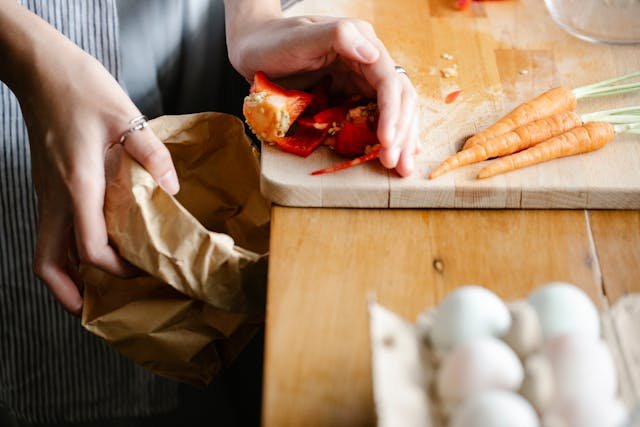
As summer unfolds, it’s the perfect season for beach picnics, backyard grilling, and, unfortunately, excess food waste. With all the outdoor gatherings and an abundance of fresh produce, meals can easily turn into leftovers or find their way into the trash. Here are five effective strategies to not only make the most of your leftovers but also to lessen your impact on the environment.
Plan Your Meals Ahead of Time
Meal planning is a smart way to cut down on unnecessary grocery trips and stick to your budget. Create a complete list of all the ingredients needed for the week to avoid aimlessly walking through the grocery store. Here are some meal-prepping tips:
- Design a menu: Gather meal suggestions from your family, rely on trusted recipes, or seek ideas online.
- Make an ingredient list: Draft a shopping list that includes everything you need for your meals. This is also a great opportunity to replenish essential household items.
- Shop smart: Check out local grocery store advertisements to snag the best deals.
If you’re new to meal planning, aim to prepare enough meals for two to three days at a time.
Revitalize Leftovers
You may find containers of leftovers in your fridge, like extra grilled chicken or last night’s pizza, and wonder how to make them appealing again. Here are some fun ways to breathe new life into your leftovers:
- Craft a salad: Dice up cooked meats, hard-boiled eggs, and roasted veggies. Add herbs and spices for a flavor boost.
- Whip up fried rice: This dish is perfect for leftover rice. Stir-fry vegetables such as carrots and peas, push them aside in the pan, crack in an egg, and then mix everything together with the rice.
- Build a sandwich: Use leftover meats, veggies, and spreads to create delicious sandwiches or wraps.
Utilize Your Freezer
This summer, your freezer will be your best ally. Store fruits, vegetables, cheeses, breads, and leftover meals to cut down on food waste. You can freeze chopped bananas, peaches, plums, tomatoes, and cucumbers for smoothies. Ensure they’re sealed in a bag and stored at temperatures between -20 and 55 degrees Fahrenheit for maximum freshness.
For small baked goods like cookies, try to eliminate as much air as possible before bagging them up.
Compost Your Food Scraps
Composting is an eco-friendly way to enrich your plants and soil. Each individual produces approximately 4.51 pounds of municipal solid waste each day, and composting can help you contribute to a healthier planet. If you have a yard, consider setting up an outdoor composter; for smaller spaces, a countertop model works well.
Adopt Proper Food Storage Practices
Use produce storage bags or containers with ventilation holes to reduce the chances of mold and excess moisture. Keep raw and cooked foods separated to avoid contamination, which can pose health risks. Be sure to store raw meats beneath cooked foods to prevent juices from dripping onto leftovers.
The Importance of Reducing Food Waste
In 2022, over 1 billion tons of food were wasted, while one-third of the global population faced food insecurity. This enormous waste also negatively impacts the environment, contributing to greenhouse gas emissions and biodiversity loss. Tackling this pressing issue this summer requires taking small steps toward a more sustainable future.
Waste Less, Save More
Keep in mind that every time you throw food away, you’re wasting your hard-earned money. Embrace these sustainable strategies to reduce waste, save money, and help create a greener planet.