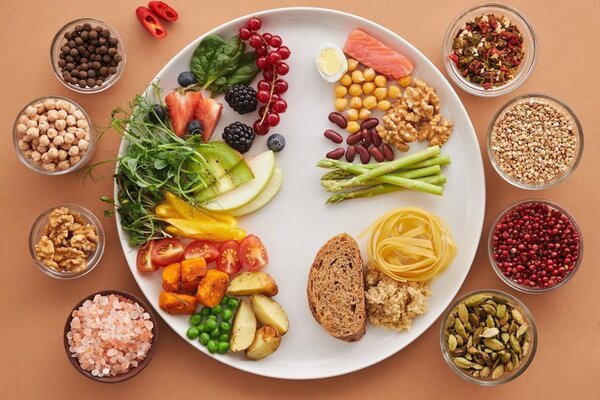
Good nutrition serves as the cornerstone of our health and overall wellbeing. The foods we choose can profoundly influence our quality of life, helping to ward off diseases and boosting energy levels throughout the day. Hence, it’s essential to understand what factors to consider for a truly healthy and balanced diet.
Stay Hydrated
Staying properly hydrated is crucial for maintaining a healthy lifestyle. Water is vital for the body’s functions, aiding in numerous metabolic processes and assisting in the elimination of toxins. Aim to drink at least 1.5-2 liters of water daily, increasing your intake during hot weather or when engaging in physical activity.
Incorporate Healthy Fats
Fats are a necessary component of your diet, but selecting the right types is vital for your health. Steer clear of trans fats found in many processed items, and instead choose unsaturated fats that promote heart health and help regulate cholesterol levels. Here are some healthy fat sources to consider:
- Olive Oil: An excellent source of monounsaturated fatty acids and antioxidants.
- Nuts and Seeds: Options like almonds, walnuts, chia, and flax are rich in healthy fats and protein.
- Avocado: A great source of healthful fats as well as fiber.
- Oily Fish: Fish such as salmon, mackerel, and sardines are rich in beneficial omega-3 fatty acids with anti-inflammatory properties.
Reduce Sugar and Salt Intake
Excessive consumption of sugar and salt can lead to a range of serious health issues, including hypertension, obesity, type 2 diabetes, and heart disease. Here are some tips on how to cut down on sugar while maintaining a healthy diet:
- Limit sugary and carbonated beverages.
- Opt for healthier alternatives instead of processed sweets and desserts.
- Check product labels for hidden sugars often found in processed foods.
Opt for Natural, Unprocessed Foods
A healthy diet predominantly consists of minimally processed foods that retain their natural qualities. Processed items frequently contain artificial additives, preservatives, and excess sugars that can harm your health. When shopping, remember the rule: the fewer ingredients on the label, the better.
Prioritize Quality Protein
Protein is essential for building and repairing body tissues, making it important to consume the right amounts and types. Consider including the following on your plate:
- Lean Meats: Such as poultry or turkey, which offer complete proteins with low fat content.
- Fish: Particularly fatty fish like salmon, mackerel, and sardines, which are rich in healthy omega-3 fats.
- Eggs: A great source of protein combined with healthy fats.
- Legumes: Options like beans, lentils, and chickpeas serve as excellent plant-based protein and fiber sources.
- Dairy Products: Choose lower-fat options like yogurts, kefirs, and cheeses for added nutritional benefits.
Make Vegetables and Fruits a Staple
Fruits and vegetables are vital to any healthy diet. They provide essential vitamins, minerals, and fiber—all while being low in calories. Aim to include them in every meal, varying your choices to gain a wide range of nutrients. Opt for fresh, seasonal produce to maximize nutritional value.
Ready to Embrace Healthy Eating?
Adopting a healthy eating plan involves more than just selecting the right foods; it requires a mindful approach to our consumption. If you’re eager to incorporate nutritious ingredients into your diet, explore the offerings at 4ecoshop.