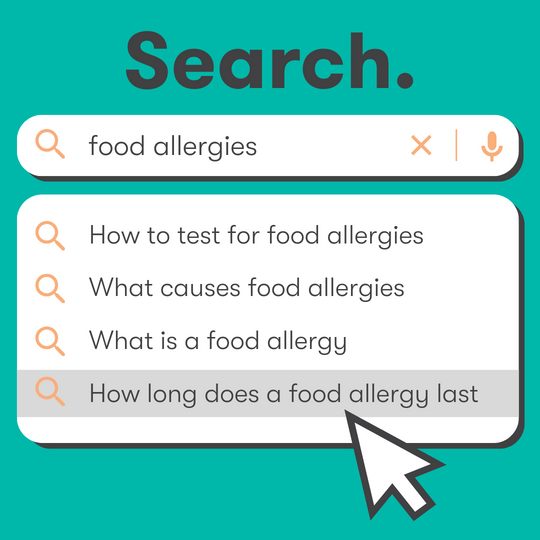
Approximately 33 million Americans are affected by food allergies, which accounts for about 5.8% of children and 1 in 10 adults. Alarmingly, over half of these adults have experienced a severe allergic reaction.
Given the high prevalence of food allergies in the United States, it’s not surprising that many people turn to search engines with numerous questions. However, the vast amount of online information can often be confusing or conflicting, leaving individuals struggling to find the answers they need.
To assist, Dr. Gill Hart, a biochemist specializing in food allergies and sensitivities, has addressed 12 of the most frequently asked questions about food allergies in the USA.
Meet Dr. Gill Hart
Dr. Gill Hart is a renowned biochemist and the Scientific Director at YorkTest, a provider of at-home food allergy and sensitivity tests. With over three decades of experience, she has dedicated her career to the development and validation of innovative diagnostic tests for both hospitals and consumers.
Since joining YorkTest in 2005, she has played a pivotal role in transforming the company into a leader in the industry, helping hundreds of thousands of individuals in the US and UK identify their food allergies and sensitivities.
What Are the Most Commonly Asked Questions?
The most searched question is ‘How to test for food allergies’—although phrased differently, this query receives around 1000 searches each month!
Question 1: How Can I Test for Food Allergies?
Monthly Search Volume: Approximately 1000
Dr. Hart’s Response:
“There are various methods to test for food allergies. An allergy specialist may perform a skin prick test or an oral food challenge test, both requiring medical supervision. Blood tests are also available, either through a finger prick or a venous sample.”
Question 2: What Triggers Food Allergies?
Monthly Search Volume: Approximately 800
Dr. Hart’s Response:
“Food allergies result from an overreaction of the immune system, which can induce shock. These reactions can range from mild to severe, with the most serious termed anaphylaxis, a potentially life-threatening response.
“Our immune system works to combat infections, using antibodies to maintain health. IgE (immunoglobulin E) is an antibody that mistakenly identifies food proteins as threats and triggers the release of chemical mediators. These mediators cause symptoms such as airway constriction, swelling, and chest tightness. Blood tests for food allergies measure IgE antibody levels.”
Question 3: What Constitutes a Food Allergy?
Monthly Search Volume: Approximately 700
Dr. Hart’s Response:
“A food allergy is an immediate and potentially fatal response to a food. When the immune system is triggered, it mistakenly prepares to attack a food that is normally safe to consume, which can lead to life-threatening outcomes.”
Question 4: How Long Do Food Allergies Persist?
Monthly Search Volume: Approximately 700
Dr. Hart’s Response:
“Food allergies can begin in childhood but can also develop in adults. Once an allergy develops in adulthood, it typically remains for life, necessitating lifelong avoidance of the triggering food.”
Question 5: What Does a Food Allergy Rash Look Like?
Monthly Search Volume: Approximately 600
Dr. Hart’s Response:
“A food allergy rash is often characterized by red, raised areas on the skin that are itchy. If the allergenic food has been ingested, the rash may appear on body parts that came into contact with it, including the lips, tongue, throat, hands, or arms. The resulting inflammation can lead to serious swelling.”
Question 6: What Are the Most Common Food Allergies?
Monthly Search Volume: Approximately 350
Dr. Hart’s Response:
“More than 170 foods can trigger allergic reactions, but nine major allergens require special attention. These include peanuts, tree nuts, wheat, milk, eggs, fish, shellfish (including crustaceans and mollusks), sesame, and soy.”
Question 7: How Long Do Food Allergy Symptoms Last?
Monthly Search Volume: Approximately 200
Dr. Hart’s Response:
“Once you remove the allergenic food from your diet, symptoms may persist for a few hours to a few days. Severe symptoms, however, will require urgent medical attention.”
Question 8: What’s the Difference Between a Food Allergy and a Food Intolerance?
Monthly Search Volume: Approximately 200
Dr. Hart’s Response:
“Food allergies trigger an immediate reaction that can be life-threatening, while food intolerances develop more gradually, often causing chronic symptoms like digestive issues, IBS, headaches, eczema, and fatigue. Food intolerances are not life-threatening.”
Question 9: How Can Food Allergies Be Cured?
Monthly Search Volume: Approximately 150
Dr. Hart’s Response:
“In some cases, children may outgrow certain allergies as they age, but this is not guaranteed. Generally, there is no cure for food allergies. The best strategy is to avoid known trigger foods.”
Question 10: How Quickly Do Food Allergies Manifest?
Monthly Search Volume: Approximately 150
Dr. Hart’s Response:
“Food allergy symptoms can appear within minutes, necessitating immediate action. Occasionally, symptoms may initially improve, only for a second wave to appear one to four hours later, known as a biphasic reaction.”
Question 11: Why Are Food Allergies Becoming More Common?
Monthly Search Volume: Approximately 100
Dr. Hart’s Response:
“There are several theories regarding the rise in food allergies, but a significant factor may be the current state of our gut health, as 70% of our immune system resides in the gut.
“Today’s diet and food consumption differ significantly from past generations. One theory suggests that reduced exposure to microbes and infectious agents early in life may lead our immune systems to overreact to harmless proteins, resulting in allergies.”
Question 12: What Are the Symptoms of Food Allergies?
Monthly Search Volume: Approximately 100
Dr. Hart’s Response:
“Within minutes of consuming an allergenic food, individuals may experience swelling of the lips, face, or eyes, itchy skin, and a raised red rash. Other symptoms can include vomiting, stomach pain, diarrhea, difficulty breathing, and feelings of lightheadedness or weakness. Symptoms can escalate rapidly, making medical intervention essential.”
Conclusion
Navigating food allergies can be daunting, but understanding the facts is crucial. Whether you are managing a food allergy yourself or supporting someone who is, remember that you are not alone; millions share your experience. Staying informed and taking appropriate precautions can help you manage allergies effectively and focus on enjoying life.
For additional tips on managing allergies and sensitivities, check out the YorkTest blog, where you’ll find expert insights on understanding your symptoms.