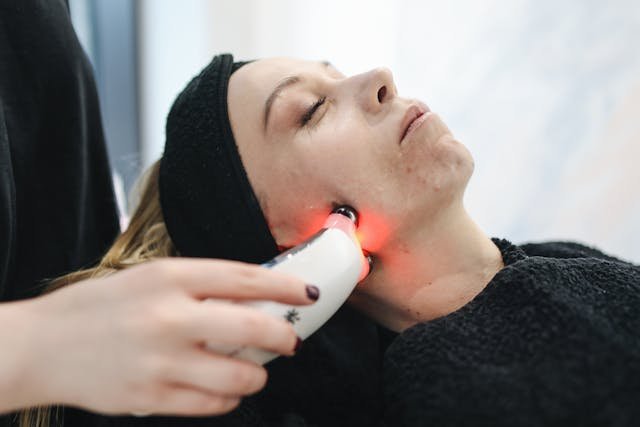
Laser treatments have become increasingly popular in both the medical and cosmetic fields due to their effectiveness in treating a variety of skin issues, medical conditions, and aesthetic improvements. From skin rejuvenation and hair removal to vision correction and medical applications, laser technology provides a minimally invasive option with precise outcomes.
Deciding to undergo a laser treatment is a major choice that necessitates thorough investigation. It’s essential to understand the various laser treatment types, assess their risks and benefits, and select a qualified provider to ensure a safe and successful procedure.
Types of Laser Treatments Explained
Laser treatments are widely utilized in dermatology, ophthalmology, and other medical specialties. Each treatment employs specific technology designed to address distinct issues.
Cosmetic laser therapies aim to improve skin quality by addressing problems such as acne scars, pigmentation, fine lines, wrinkles, and sun damage. Fractional lasers enhance collagen production, while ablative lasers resurface the skin by eliminating damaged layers.
Laser hair removal is a favorite option for those seeking a longer-lasting solution to unwanted hair, as it targets hair follicles with concentrated light energy to inhibit future growth.
Beyond aesthetic purposes, medical laser treatments include applications such as laser vision correction (e.g., LASIK), which reshapes the cornea for improved eyesight, and laser therapy used to treat varicose veins, remove tumors, and enhance tissue healing.
Choosing the right laser treatment involves considering individual goals, skin type, and medical history. Consulting with a specialist ensures that the selected procedure aligns with personal expectations and needs.
Evaluating the Benefits and Risks of Laser Treatments
Laser treatments offer a multitude of benefits, including accuracy, reduced recovery time, and long-lasting effects. Unlike traditional surgical options, many laser treatments are non-invasive or minimally invasive, resulting in minimal to no downtime.
For skin-related treatments, laser technology can enhance texture, tone, and overall appearance, delivering significant improvements with minimal discomfort. In medical contexts, laser procedures provide targeted interventions that facilitate quicker healing compared to conventional approaches.
However, it is important to acknowledge that every procedure comes with potential risks. Common side effects include temporary redness, swelling, or mild discomfort; however, more severe complications—such as burns, changes in pigmentation, or scarring—can occur if the procedure is not executed correctly.
Choosing an experienced provider can significantly reduce the risk of negative outcomes. Being well-informed about the potential risks and discussing them with a qualified professional aids in making the best decision.
Selecting an Experienced and Qualified Provider
The success of a laser treatment heavily relies on the skill of the practitioner performing the procedure. Seeking a licensed and trained professional guarantees safety and optimal outcomes.
Researching a provider’s credentials, certifications, and experience is crucial. Board-certified dermatologists, plastic surgeons, and licensed medical practitioners who specialize in laser treatments have the expertise required to evaluate individual suitability for various procedures.
Examining before-and-after photos, patient testimonials, and clinic reviews can provide valuable insights into a provider’s reputation and success rates. Scheduling a consultation allows prospective patients to ask questions, gain a thorough understanding of the procedure, and assess the clinic’s professionalism.

Preparing for Laser Treatment
Effective preparation is key to achieving optimal treatment outcomes. Prior to undergoing laser treatment, patients should adhere to any pre-procedure guidelines set by their specialist.
For skin treatments, limiting excessive sun exposure and avoiding tanning beds can help reduce complications. Skin that is sunburned or tanned is more sensitive to laser energy, increasing the chances of adverse reactions.
Discontinuing certain skincare products, such as retinoids, exfoliants, and acids, can help prevent irritation before the procedure. Additionally, some medical laser treatments may require avoidance of blood-thinning medications to lower the risks of bruising or bleeding.
During the consultation, discussing your medical history, current medications, and lifestyle choices ensures that the treatment is tailored to your specific needs. Adhering to all pre-treatment guidelines enhances safety and the overall effectiveness of the procedure.
Considering Minimally Invasive Treatment Options
Minimally invasive laser treatments utilize lower-intensity laser energy to specifically target areas while causing minimal damage to surrounding tissues. For individuals in search of gentle yet effective treatments, minimally invasive laser therapies offer a great balance of results and recovery time. They are well-suited for individuals seeking to enhance skin texture, reduce fine lines, or address minor pigmentation concerns without extensive downtime. Such options also provide effective solutions for pain management, muscle healing, and scar reduction with less discomfort compared to traditional surgical methods.
By opting for a minimally invasive approach, patients can achieve their desired results while minimizing the associated risks and recovery time of more aggressive treatments. Consulting with a specialist ensures that the selected procedure meets personal goals and lifestyle requirements.
The decision to undergo a laser treatment is deeply personal and requires careful research, planning, and professional guidance. By understanding the various types of treatments available, evaluating risks and benefits, and selecting a qualified provider, individuals can ensure a safe and effective experience.
When approached correctly, laser treatments can yield transformative results, whether for cosmetic enhancement, medical correction, or overall wellness. Making an informed decision paves the way for increased confidence, improved health, and lasting satisfaction with the chosen procedure.