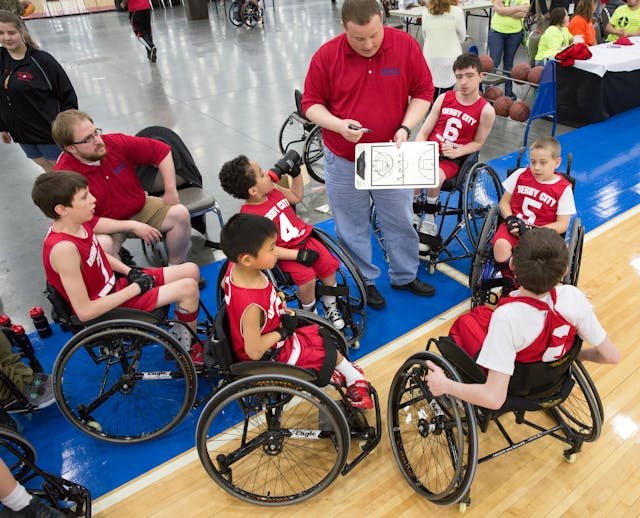
Raising a child with physical challenges involves navigating various systems—medical, educational, and daily routines—which can make life a bit more complex, yet entirely feasible. Within these challenges lies the potential to nurture children into individuals who appreciate their own worth, recognize their needs, and possess the courage to advocate for themselves.
Resilience and self-advocacy can be cultivated through deliberate efforts at home, in health care settings, and within the community. Although you may have the best intentions, you might wonder how to effectively foster these qualities. Here are some research-backed strategies to help children develop these essential skills while preserving their joy, confidence, and independence.
Understanding Resilience
Resilience is the capacity to persist after setbacks and to find solutions when faced with challenges. It doesn’t mean negating difficulties or perpetually bouncing back without acknowledging your emotions. Instead, it’s about establishing effective coping mechanisms and support systems that facilitate adaptation. You can instill resilience by weaving play and learning into daily routines, such as counting items and comparing prices during grocery shopping.
Understanding Self-Advocacy
Self-advocacy refers to the ability to articulate one’s needs, make informed choices, and stand up for oneself and one’s beliefs. Teaching children to advocate for themselves fosters independence and builds confidence. Children who can identify and communicate their needs are more likely to ask for help when necessary. For kids with physical challenges, self-advocacy might include explaining necessary accommodations at school or requesting breaks when they feel fatigued.
The journey of teaching self-advocacy starts with self-awareness. Children need to identify their strengths and challenges first. Adults can facilitate this by highlighting their capabilities and acknowledging areas for growth. This awareness lays the groundwork for effective communication.
Strategies for Building Resilience in Children with Disabilities
Resilience can be fostered by setting a positive example for children to emulate. This approach enhances their strengths, encourages personal growth, hones problem-solving skills, and creates a nurturing environment.
Focus on Their Strengths
The conversation about physical challenges often emphasizes what children cannot do. However, you can empower them to strive for more by identifying and focusing on their strengths. This method highlights what excites them, where they excel, and the support that uplifts them. Kids tend to adjust more effectively when parents and educators increase opportunities for physical activities rather than emphasizing limitations.
Recognizing and celebrating their existing abilities nurtures resilience, encouraging children to view every obstacle as a chance for growth. Creating a strengths map can guide all decisions, ensuring that both they and others are reminded that progress stems from recognizing what works well. A visual representation of this map can serve as a daily reminder for the child.
Foster Their Growth
Encouraging a mindset that reframes challenges as learning experiences can greatly benefit children. Adults can model this perspective by presenting difficulties as opportunities for growth. Children learn through imitation and often adopt their parents’ emotional responses. Be sure to emphasize both successes and learning moments from challenges, reinforcing the idea that setbacks are part of the growth process.
Enhance Problem-Solving Skills
Encouraging problem-solving equips children with the tools and confidence needed to face daily life challenges. Families can support this development by guiding children through logical steps—from acknowledging the issue to fostering critical thinking and exploring multiple solutions.
Create a Nurturing Environment
The presence of supportive families, teachers, and friends is crucial for building resilience in children. Establishing routines that offer stability, providing encouragement that appreciates effort, and creating safe spaces for emotional expression all contribute to resilience development.
Cultivating Self-Advocacy Skills
While resilience empowers children to persist, self-advocacy empowers them to express their needs. Developing these skills involves communication, fostering independence, and deepening self-understanding, all requiring practice and support.
Enhance Communication Skills
Effective communication is fundamental to a child’s growth. Parents should encourage their children to use respectful language when conveying their needs. Depending on their physical capabilities, some children may prefer certain phrases or communication aids. As they cultivate their communication skills, children will grow more confident in expressing their views at home, school, and in social environments.
For families seeking a more formal approach, consulting rehabilitation specialists can provide children and their parents with necessary tools, including tailored treatment options and ongoing recommendations.
Encourage Independence
Parents and educators who instill a sense of autonomy in children promote independent growth. Start by allowing them to make small choices, such as selecting their clothing or activities. As they gain independence, children will take on bigger responsibilities like homework and managing their schedules. This sense of independence can bolster their confidence, which in turn strengthens their advocacy skills.
Empowering Resilience and Self-Advocacy for Your Child’s Future
Children with physical challenges encounter distinct hurdles, yet they also possess the potential to build resilience and find their voices. By fostering self-advocacy, promoting personal growth, enhancing problem-solving, and establishing a supportive environment, you can guide them in confidently navigating life’s obstacles. Instilling resilience and self-advocacy prepares children to engage with the world as capable, independent individuals who can effectively advocate for themselves.