Wellness isn’t a one-size-fits-all concept. For many individuals experiencing reduced mobility, conventional fitness guidance may feel unattainable or irrelevant. However, staying active is still achievable and crucial, regardless of physical constraints. The key is to redefine what “movement” signifies and how wellness can be customized to accommodate each person’s unique rhythm and capacity.
A Shift in Perspective: Embracing Adaptation Over Frustration
Changes in mobility, whether resulting from injury, aging, or chronic conditions, can lead to a sense of disconnect from previous routines. Gyms may no longer appear accessible, and group classes might feel overwhelming. Nevertheless, effective movement doesn’t have to be intense or traditional. Simple daily activities, breathing exercises, and light walks all contribute to overall well-being.
The challenge often transcends physical limitations; it can also be emotional. Overcoming the belief that fitness is no longer applicable is essential. Adopting a mindset centered on adaptation is key. Every small victory counts. Progress at a slower pace still moves you forward. What truly matters is the intention behind each action rather than the intensity or speed.
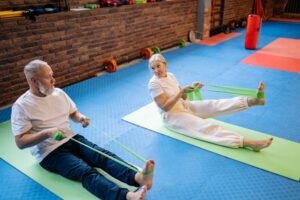
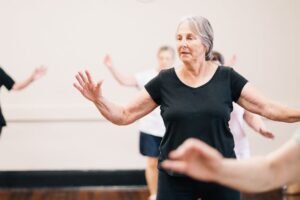
Many rediscover movement through gentle stretching, light resistance training, or even seated dancing. These activities promote joint health, circulation, and emotional well-being without requiring more than the body can provide each day.
Selecting the Right Tools for Enhanced Mobility
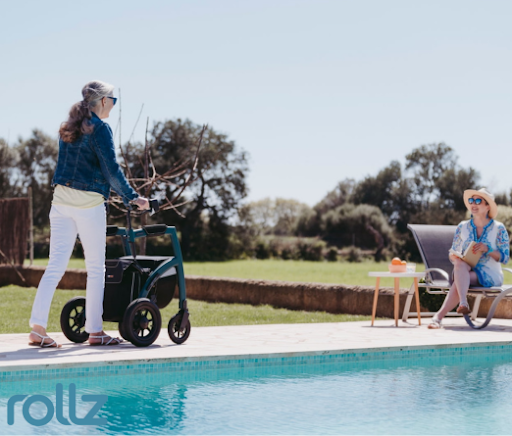
Supportive equipment can significantly improve one’s capacity to remain active. Tools like a walker wheelchair empower individuals with greater independence and confidence, allowing them to explore further, connect with their surroundings, and lower the risk of strain or injury.
Modern mobility solutions, such as those from Rollz, demonstrate that mobility aids can seamlessly blend functionality with thoughtful design. Their purpose is not to highlight limitations but to facilitate liberation. With the appropriate support, even simple activities like daily walks, social gatherings, or outdoor breathing exercises become easily attainable once more.
Environments that previously felt challenging, like busy sidewalks or extended hospital corridors, can seem welcoming again. The right mobility device fosters freedom and trust in one’s own body.
Crafting a Personalized Wellness Strategy
Physical health is just one aspect of wellness. A truly holistic wellness plan also encompasses mental and emotional well-being. This may involve spending time in nature, engaging in guided meditation, enjoying calming music, or cherishing moments with loved ones. Movement should bring joy, not serve as a burden.
By tuning into your body, establishing achievable goals, and prioritizing consistency over intensity, you can foster a lasting relationship with physical activity. It’s about building habits tailored to your life.
Wellness is accessible to everyone, not just those who are able-bodied. With the right support, a willingness to adapt, and a shift in perspective, anyone can participate in movement that nurtures both body and mind. A walker wheelchair not only assists; it empowers individuals. When form aligns with function, as seen in Rollz’s innovative designs, this empowerment is coupled with dignity. Movement may vary for each person, but what truly matters is that it resonates with you.