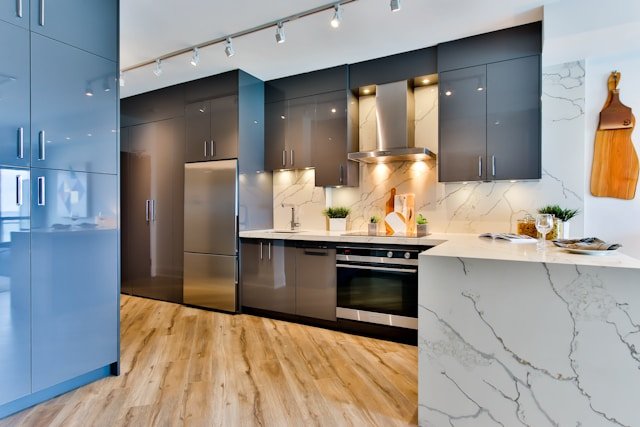
Remodeling your kitchen can be one of the most gratifying improvements you can make to your home, but it also comes with its fair share of complexities. From layout and lighting to materials and finishes, there are numerous choices to navigate. Even minor errors can influence the aesthetics, comfort, and functionality of your kitchen for years to come.
The silver lining? Many frequent kitchen design pitfalls can be easily avoided with some careful planning and expert advice.
Whether you’re collaborating with a remodeling contractor or tackling updates on your own, here are seven common kitchen design blunders that are surprisingly simple to prevent, along with tips to set yourself up for success from the outset.
1. Neglecting the Work Triangle
The efficiency of your kitchen hinges on its layout. The “work triangle” – the space between the sink, stove, and refrigerator – should facilitate smooth movement between these key areas. If this triangle is either too cramped or excessively spread out, cooking can become an unnecessarily cumbersome task.
How to Prevent It
Ensure the work triangle is spacious and unobstructed. Avoid placing islands or large furniture within this pathway. Engage with a skilled kitchen remodeling team to visualize how your layout will perform in daily use, particularly in high-traffic areas like prep zones and cleaning stations.
2. Favoring Aesthetics Over Storage
While open shelving, minimalist cabinets, and sleek designs can look stunning in photographs, kitchens are practical spaces that need ample storage. Failure to plan thoughtfully can result in a beautiful kitchen that quickly falls into clutter and inconvenience.
How to Prevent It
Strike a balance between aesthetics and functionality. Combine open shelves with closed cabinets and capitalize on vertical space using full-height cabinetry or tailored pantry solutions. Think about your daily needs: where will you store your mixer? Your spices? Your trash bin?
Your kitchen should not only be visually attractive but also extremely functional.
3. Inadequate Lighting Arrangement
A single overhead light source won’t suffice in a modern kitchen. Zones with shadows and dimly lit corners can make even the most beautiful kitchens seem uninviting and impractical.
How to Prevent It
Layer your lighting design. Start with ambient lighting for overall illumination, add task lighting beneath cabinets and over islands, and include accent lighting to showcase architectural features or artwork.
Consult with your remodeling company early in the process to seamlessly integrate lighting plans into the overall electrical layout.
4. Insufficient Electrical Planning
Outlets are frequently overlooked until they’re needed, and then it may be too late. Poorly planned outlets can lead to visible cords sprawled across countertops or inaccessible appliance plugs.
How to Prevent It
Plan for more outlets than you think you’ll require, placing them wisely. Good locations include islands, coffee stations, and inside appliance garages. Additionally, consider integrating USB ports and under-cabinet outlets for a sleek appearance and modern functionality.
Ensure all electrical work complies with local building codes, especially when remodeling older homes.
5. Selecting Inappropriate Materials for Your Lifestyle
Materials that look gorgeous in a showroom may not withstand daily wear and tear. For instance, while marble is sophisticated, it can be easily etched, and high-gloss cabinetry may reveal every fingerprint in a busy household.
How to Prevent It
Opt for materials that align with your lifestyle. Quartz countertops offer durability and low maintenance. Engineered wood or porcelain tile floors are robust enough to handle heavy traffic. A reputable remodeling company can guide you through the advantages and disadvantages of various materials, ensuring you choose not only for aesthetics but also for longevity.
6. Overlooking Ventilation
Effective ventilation is crucial but often neglected in kitchen remodels. Without it, cooking odors can linger, moisture accumulates, and air quality diminishes—particularly in open-concept configurations.
Ventilation is not merely a comfort concern; it also relates to health and maintenance. According to a 2025 report from The Guardian, nitrogen dioxide levels in kitchens with gas stoves can be three to twelve times higher than outdoor levels, and these elevated levels can persist for hours after cooking.
How to Prevent It
Install a high-quality range hood that vents to the outside. Ensure it’s appropriately sized for your stove and merges well with your kitchen’s overall aesthetic. While ductless or recirculating fans may seem appealing, they seldom perform as effectively as vented systems.
7. Overlooking Workflow and Zones
A well-designed kitchen isn’t just about appearances; it’s focused on functionality. Forgetting to establish zones for preparation, cooking, cleaning, and storage can result in disorganization and inefficient workflows.
How to Prevent It
Consider your kitchen in terms of zones. Place trash and recycling bins near the prep area, keep utensils close to the stove, and store dishes near the dishwasher for easier unloading. If you frequently entertain guests, think about incorporating a beverage station or an additional prep area.
A competent remodeling company will help you design your kitchen based on how you really use it – not just how it appears in photos.
Merging Aesthetics and Functionality
A successful kitchen remodel intertwines beauty with daily practicality. While it’s easy to get swept up in current design trends, the true value lies in thoughtful planning that accommodates your lifestyle.
By steering clear of these seven typical kitchen design mistakes, you’ll craft a space that is as functional as it is stunning. Partnering with a reliable remodeling expert who appreciates both design and construction makes it even easier to achieve the desired results from the outset.