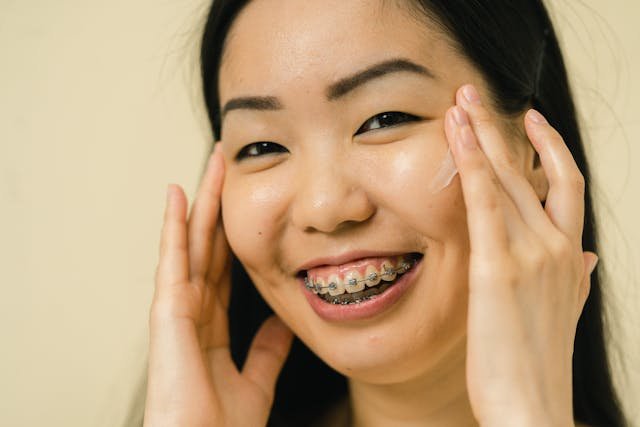
Are you contemplating straightening your teeth but feeling held back by concerns about eating or how they might look? Fortunately, many misconceptions about adult braces have been dispelled by dental professionals. Below are some common myths regarding adult braces, along with the truths that counter them.
1. Adults Are Too Old for Braces
Travel back to the 1970s or 80s, and you might find that most people believed it was unusual for adults to wear braces. While braces were primarily seen as a fix for teenage dental issues, they are now widely accepted for adults as well, with one in three orthodontic patients being adults.
2. Eating Normally with Braces Is Impossible
If this myth were true, we would see many adults struggling to eat while undergoing orthodontic treatment. In reality, even children with braces adapt to eating normally after the first bit of discomfort passes. Adjusting to braces does take time, but your eating habits will get back to normal. However, it’s important to note that you should be cautious about specific foods—hard, chewy, crunchy, and acidic items are best avoided while wearing braces.
3. Braces Are Just for Looks
While having a great smile can indeed boost your confidence and happiness, adult braces serve practical purposes beyond aesthetics. Many adults deal with unaddressed orthodontic issues from their youth. Braces can correct misaligned or damaged teeth, which are major contributors to gum disease and problems with chewing.
4. Braces Look Strange on Adults
Transport yourself back 40 years and compare the braces of that time to today’s options. The appearance of braces back then may have affected many kids’ confidence, as they had limited choices. Today, adults can choose from a variety of sleek designs, including clear aligners and tooth-colored braces that are far less noticeable and more aesthetically pleasing.
5. Braces Will Set Off Metal Detectors
Even if your braces contain metal, modern orthodontics uses medical-grade stainless steel alloy that is designed not to trigger metal detectors. As noted by the Jacksonville University School of Orthodontics in 2012, these materials do not set off alarms, even in airport security scenarios. Additionally, there are non-metal alternatives available for those who are still concerned.
6. Braces Are Unnecessary After Childhood Treatment
While orthodontic treatment in childhood is beneficial, it doesn’t always negate the need for further care later in life. Natural aging can cause teeth to shift, especially following extractions. Issues such as teeth grinding or jaw clenching can exacerbate bite problems, potentially leading to cracks and fractures, which may require treatment down the line due to bruxism.
Myths Surrounding Adult Braces Are Widespread
Myths often arise from uncertainty about change, whether it pertains to health, work, or even societal transitions. Such misinformation can snowball, creating misconceptions that persist over time.
Many prevalent myths about adult braces are leftover from earlier eras. Today, with increased education and access to information, it’s easier than ever to bust these myths. So, if you’re considering adult braces, you can confidently disregard these six misconceptions.