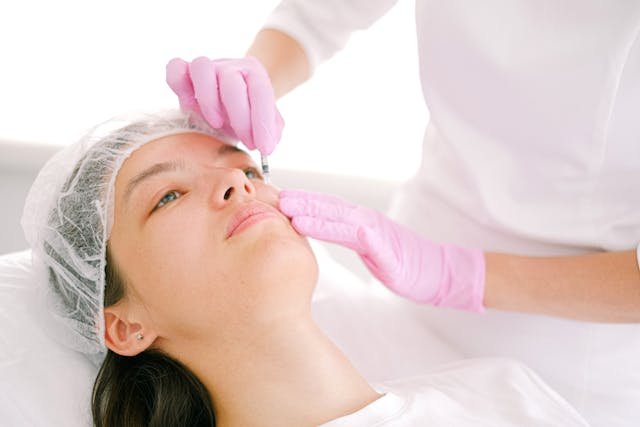
When most people hear the word Botox, they immediately think of smoother skin and reduced wrinkles. However, there is a more profound story beneath this surface, weaving together the complex relationship between our appearance and emotional state. The psychological effects of Botox extend well beyond mere aesthetics, leading to transformative changes in confidence and mental health.
Understanding the Mind-Body Link in Aesthetic Medicine
Extensive research has explored how our physical appearance can influence psychological well-being. Studies demonstrate that when individuals feel better about how they look, they reported notable enhancements in self-esteem, social confidence, and overall life satisfaction.
Medical studies indicate that cosmetic procedures can yield significant psychological advantages. One in-depth study showed that individuals who pursued aesthetic treatments experienced boosts in self-worth, reductions in anxiety and shyness, and an overall higher quality of life. This suggests that the positive outcomes of Botox go far beyond surface-level beauty.
The Science Linking Botox and Emotional Health
One of the most intriguing aspects of Botox treatment is grounded in what scientists term the “facial feedback hypothesis.” This theory posits that our facial expressions not only express our emotions, but can actually shape them.
When we frown, our brain receives signals from the constricted muscles that may amplify negative feelings. Botox alleviates this by relaxing these facial muscles, particularly in areas such as the forehead and between the eyebrows. This muscle relaxation may disrupt negative emotional patterns, leading to better moods and less anxiety.
A recent study from the University of California San Diego evaluated data from nearly 40,000 Botox recipients and found impressive results: anxiety levels were 22 to 72 percent lower in those treated with Botox compared to alternative treatments. This outcome was consistent across different injection sites, indicating that the mental health benefits may extend beyond simply appearing youthful.
Boosting Self-Confidence Through Improved Self-Image
The increase in confidence that many experience following Botox treatments often permeates various aspects of their lives. Feeling more at ease with their appearance encourages individuals to actively participate in social settings, seize new opportunities, and approach life with greater assurance.
This change can be particularly impactful for professionals operating in competitive arenas such as Miami’s business scene. Many report heightened confidence during presentations, networking, or important meetings after treatment. Feeling rejuvenated can lead to tangible improvements in both personal and professional relationships.
Coping with the Psychological Aspects of Aging
Aging inevitably brings psychological challenges for many. The emergence of fine lines and shifts in facial expression can heighten anxiety about aging and concerns regarding how one is perceived by others.
Botox treatments provide a proactive way to address these issues. By reducing dynamic wrinkles and preventing the formation of new ones, patients often gain a sense of control over the aging process. This empowerment can play a crucial role in preserving self-confidence throughout various life stages.

The Social Advantages of Increased Confidence
Confidence can dramatically enhance social interactions. When people feel good about their appearance, they’re more inclined to make eye contact, smile genuinely, and engage authentically with others. These changes in behavior can foster positive cycles in relationships.
Many patients note that they become more willing to participate in activities they previously shied away from, whether it’s enjoying beach outings in South Florida, doing professional photo shoots, or attending social events where they might be photographed. This heightened social engagement can lead to improvements in both overall quality of life and mental health.
Mental Health Advantages Beyond Aesthetics
New research has examined Botox’s potential therapeutic applications for various mental health conditions. Studies have indicated that Botox injections may alleviate symptoms of depression and anxiety, even among patients not primarily seeking cosmetic benefits.
One study revealed that individuals diagnosed with depression who received Botox experienced substantial mood enhancements lasting several months after treatment. The findings were so compelling that researchers are looking into Botox as a potential supplementary treatment for specific mental health conditions.
These results imply that the psychological benefits of Botox may arise through multiple pathways, improving self-image while also directly influencing neurological processes related to mood regulation.
The Importance of Setting Realistic Expectations
While the psychological benefits of Botox can be significant, achieving success largely hinges on having realistic expectations and collaborating with qualified medical professionals. The most reputable Botox providers in Miami recognize that desirable results come from subtle enhancements that preserve natural facial characteristics rather than drastic alterations.
Patients who experience the most satisfying psychological outcomes usually regard Botox as just one element within their broader wellness regime instead of viewing it as a cure for deeper self-esteem challenges. When combined with healthy lifestyle choices and positive self-care practices, Botox can be an effective component in maintaining mental well-being and confidence.
The Long-Lasting Psychological Impact
The confidence gained from Botox often extends well beyond the duration of its physical effects. Many individuals express that the initial boost in self-image helps them cultivate positive thought patterns and behaviors, continuing even as the treatment’s effects fade.
This psychological momentum can be particularly beneficial for those who have struggled with anxieties related to their appearance. By experiencing the empowerment and comfort that comes with confidence, patients often find it more manageable to maintain that mindset even between treatments.

Fostering Positive Life Changes
The psychological changes that can arise from Botox treatment often spark a series of beneficial alterations in patients’ lives. Increased confidence may propel individuals to pursue new career paths, enhance their fitness regimens, refresh their wardrobes, or invest in personal growth.
This holistic perspective on self-improvement highlights the interconnectedness of physical appearance, mental health, and life satisfaction. An enhancement in one area frequently leads to positive momentum in others.
Impact on Professional and Personal Relationships
The boost in confidence stemming from Botox can notably affect both professional and personal relationships. In the workplace, enhanced self-esteem often leads to improved communication skills, a greater tendency to take on leadership roles, and better performance under pressure.
In personal relationships, this newfound confidence commonly results in more meaningful connections and increased comfort in social or intimate scenarios. Many patients report feeling more attentive and engaged in their relationships when they’re less focused on concerns related to their appearance.
The Role of Self-Care in Mental Well-Being
Opting for Botox treatments can be an essential act of self-care, representing a commitment to your own well-being. This psychological benefit should not be overlooked, as taking proactive measures to address aging or appearance concerns fosters a sense of personal agency and self-worth.
Regular Botox treatments can integrate into a wider self-care strategy that includes exercise, nutritious eating, stress management, and other wellness practices. When placed in this context, the psychological advantages extend beyond the treatment itself, contributing to a more comprehensive approach to personal well-being.
The psychology of Botox unveils an intricate yet powerful connection between physical appearance and mental health. While the most visible effects may be smoother skin and diminished wrinkles, the psychological changes many patients undergo can be equally profound. From boosted self-confidence and enhanced social interactions to potential mental health benefits and increased satisfaction in life, Botox provides a unique blend of aesthetic and psychological improvements.
Understanding these psychological facets clarifies why Botox has grown into a popular choice for individuals aiming not just to look better but to feel better about themselves. When performed by qualified professionals with realistic expectations and appropriate aftercare, Botox can effectively support both physical appearance and mental wellness.
For numerous patients, the choice to pursue Botox signifies more than a cosmetic decision; it represents a significant investment in their confidence, self-image, and overall life quality. The psychological benefits that follow can catalyze positive changes extending well beyond the treatment room, ultimately leading to a more fulfilling and self-assured way of life.