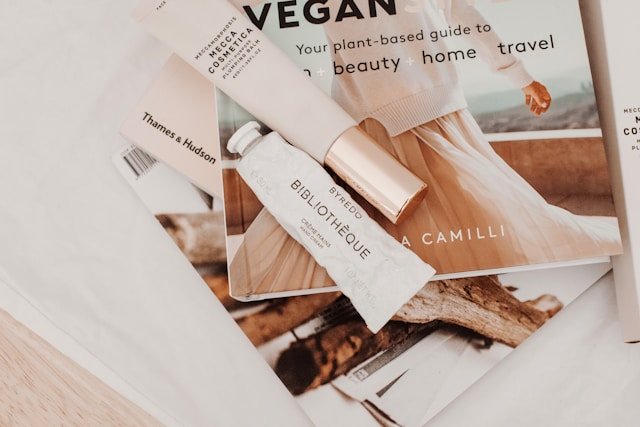
Across the globe, countless individuals have discovered joy, self-expression, and confidence through the beauty industry. However, the use of harmful chemicals and excessive plastic packaging in cosmetics is having a detrimental impact on our planet. As the demand for beauty products increases, so does the ecological damage associated with their production, use, and disposal. Today, brands that prioritize sustainability are gaining significant traction.
The Environmental Impact of Cosmetics
Many cosmetic and skincare products contain ingredients that can harm the environment. Commonly found chemicals such as parabens, synthetic fragrances, and microplastics often end up in our soil and waterways.
Microplastics, which do not decompose, can be found in exfoliating scrubs, toothpaste, and shimmery makeup. Additionally, many cosmetic ingredients are sourced from nature, which is already under pressure. Take palm oil, for example; it’s prevalent in beauty products but its cultivation has led to widespread deforestation in tropical regions. The World Wildlife Fund (WWF) estimates that 48 million tons of palm oil are consumed globally each year.
Nevertheless, there is a growing movement towards sustainable beauty practices. Some manufacturers, for instance, are producing gold leaf for cosmetics using a high percentage of recycled gold. This approach not only adds a touch of luxury to beauty products but also helps to minimize their environmental impact.
Ways to Foster Sustainable Beauty
Encouraging sustainability in the cosmetics industry requires a comprehensive approach. Fortunately, several brands are at the forefront, significantly lessening their environmental footprint. Here are some strategies they can adopt to promote sustainable beauty:
Eco-Friendly Packaging
Minimizing the use of single-use plastics is crucial for fostering sustainability. Brands are increasingly offering biodegradable or refillable packaging as alternatives. By opting for reusable containers made from glass or metal, companies can greatly reduce waste.
Sustainable Ingredient Sourcing
It is essential that cosmetic ingredients are sourced ethically and sustainably. Consumers are becoming more discerning and seek transparency about the origins and production methods of their products.
Brands can enhance their sustainability efforts by utilizing plant-based, cruelty-free, and responsibly sourced ingredients. Ingredients like organic oils and botanicals cultivated without harmful pesticides help lessen environmental harm while appealing to health-conscious consumers.
Green Certifications and Labels
Certifications such as ‘EcoCert,’ ‘Leaping Bunny,’ and ‘Fair Trade’ can help brands demonstrate their commitment to sustainability. These labels indicate that a product meets specific environmental and ethical standards.
Innovative Formulations
Companies can significantly reduce their carbon footprint by creating waterless products that require less energy in manufacturing. There is also a rising trend towards minimalist beauty routines that promote the use of fewer multifunctional products, ultimately generating less waste.
In Conclusion
As sustainability becomes a greater priority for many, companies must invest in research and development to create more eco-friendly products and processes. By transforming the beauty industry without compromising the health of our planet, brands can elevate beauty beyond the surface and demonstrate a genuine commitment to nurturing the earth.